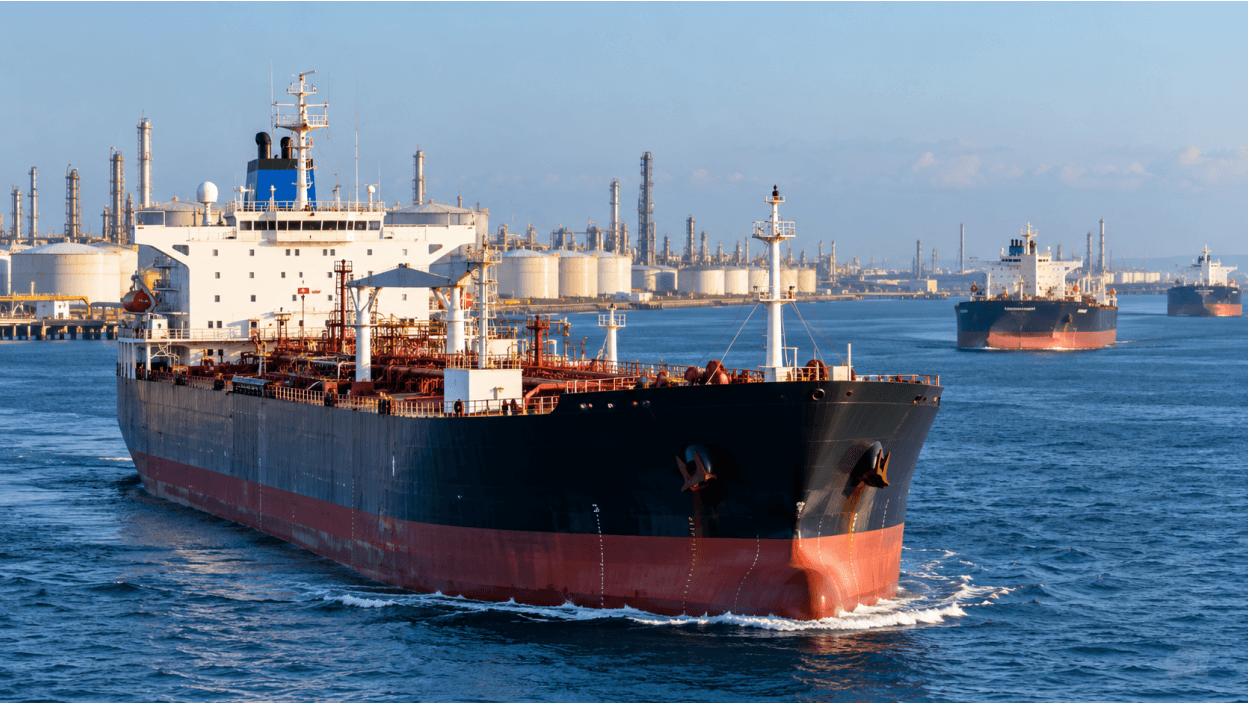
The United States is currently debating potential restrictions on diesel exports, a move that could have substantial implications for global energy logistics and maritime shipping. If implemented, these curbs are expected to fundamentally redraw existing tanker trade routes.
Specifically, the Atlantic market for Medium Range (MR) tankers, which typically handle shorter-distance voyages, could see a reduction in demand. Conversely, the need for Long Range (LR) tankers, suited for longer hauls, is anticipated to increase. This shift would occur as traditional buyers like Europe and Latin America are forced to source diesel from more distant suppliers, extending transit times and increasing the complexity of their supply chains.
For freight forwarders and logistics professionals, this development signals potential changes in fuel availability and pricing, particularly for road and rail transport in affected regions. Increased demand for LR tankers on longer routes could lead to higher charter rates, which might translate into elevated bunker fuel costs for ocean carriers, ultimately impacting overall freight rates. Shippers may experience longer lead times for diesel procurement, necessitating adjustments to inventory management and supply chain planning.