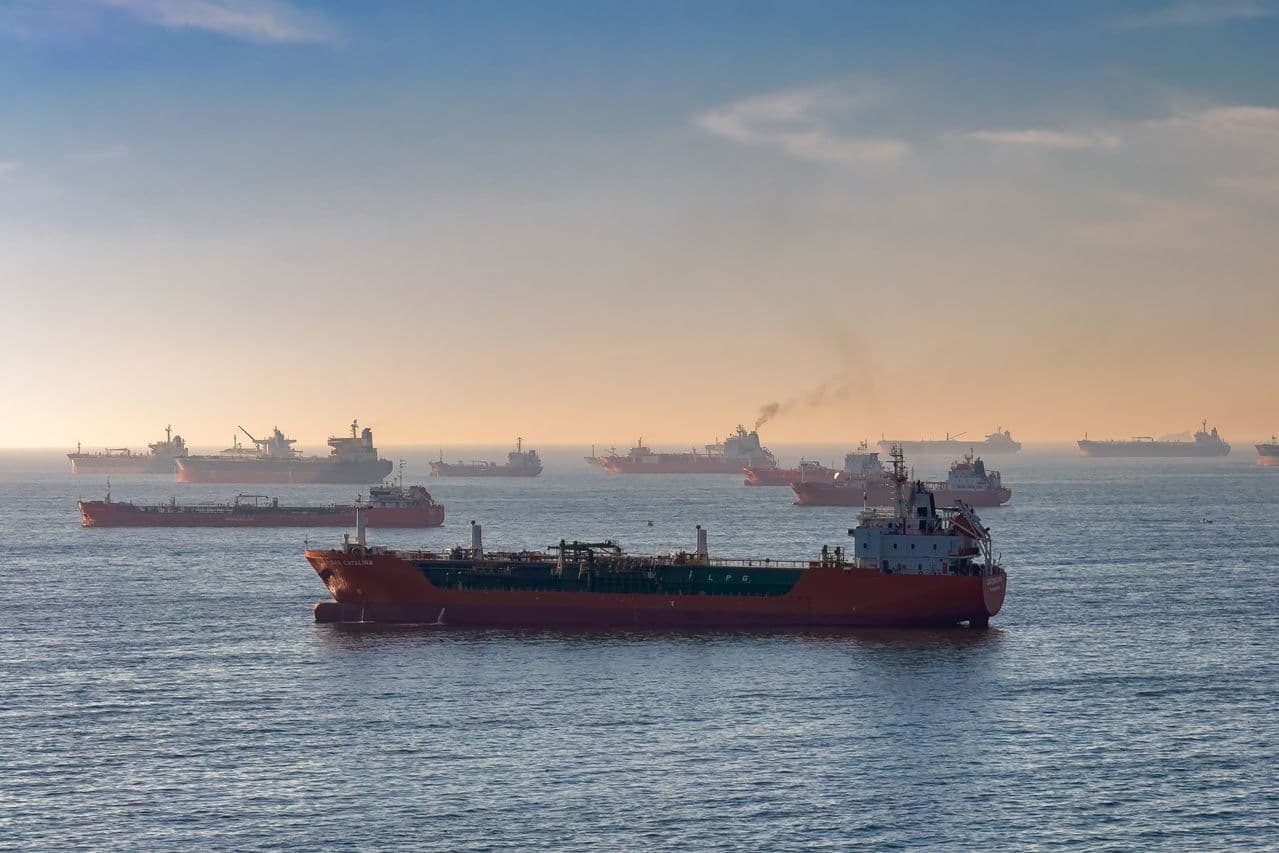
Suezmax tankers, capable of carrying one million barrels of oil, are currently experiencing a substantial surge in freight rates. This increase is directly attributed to the volatile situation in the Strait of Hormuz, a critical chokepoint for global oil shipments. The ongoing crisis is significantly altering traditional crude oil trade routes and creating a scarcity of available vessels, driving up the cost of chartering these large tankers.
For freight forwarders and operations managers involved in oil and gas logistics, this development signals higher transportation costs for crude oil shipments. The reduced vessel supply and rerouting requirements will likely lead to longer transit times and increased demurrage risks. Forwarders should anticipate potential delays and factor in elevated freight expenses when quoting for Suezmax-dependent cargo. Strategic planning for alternative routes and closer collaboration with chartering desks will be crucial to mitigate impacts.
The market is responding to these geopolitical pressures, with traders actively seeking alternative shipping solutions to maintain supply chain integrity. This could involve using different vessel classes, adjusting loading and discharge ports, or exploring multimodal options where feasible, though for crude oil, tanker shipping remains primary. The situation underscores the sensitivity of global energy logistics to regional geopolitical events.