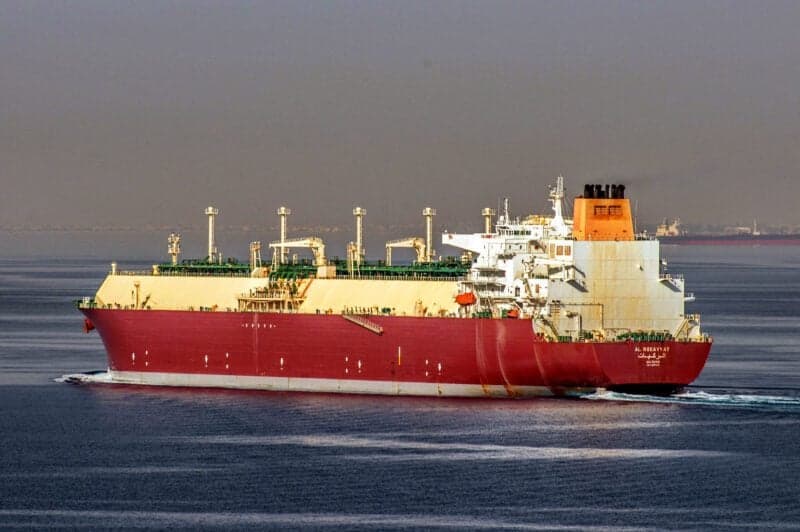
In recent weeks, three liquefied natural gas (LNG) shipments originating from Qatar and the United Arab Emirates have been transferred between vessels outside the critical Strait of Hormuz. This ship-to-ship (STS) operation was conducted to facilitate the onward delivery of these cargoes to destinations in Asia, specifically India and Japan.
This development suggests a strategic maneuver by shippers to potentially bypass the Strait of Hormuz for certain LNG transfers. The Strait of Hormuz is a narrow waterway vital for global energy trade, but it is also a region prone to geopolitical tensions and security concerns, particularly given the ongoing Israel-Iran conflict and broader regional instability. Performing STS transfers outside this chokepoint could be a method to reduce exposure to these risks.
For freight forwarders and supply chain analysts, this trend highlights the increasing importance of flexible logistics solutions and risk mitigation strategies in volatile regions. While direct impact on container shipping rates is unlikely, it underscores a broader industry effort to ensure cargo flow reliability. Forwarders involved in energy logistics or project cargo in the Middle East should monitor such operational shifts, as they could influence vessel routing, scheduling, and potentially insurance premiums in the long term. This approach could also lead to new operational hubs for STS transfers in less contested waters.
The article does not specify if this is a new, permanent strategy or a temporary measure in response to specific market or security conditions. Continued monitoring of shipping patterns in the region will be necessary to determine the long-term implications of these STS operations.