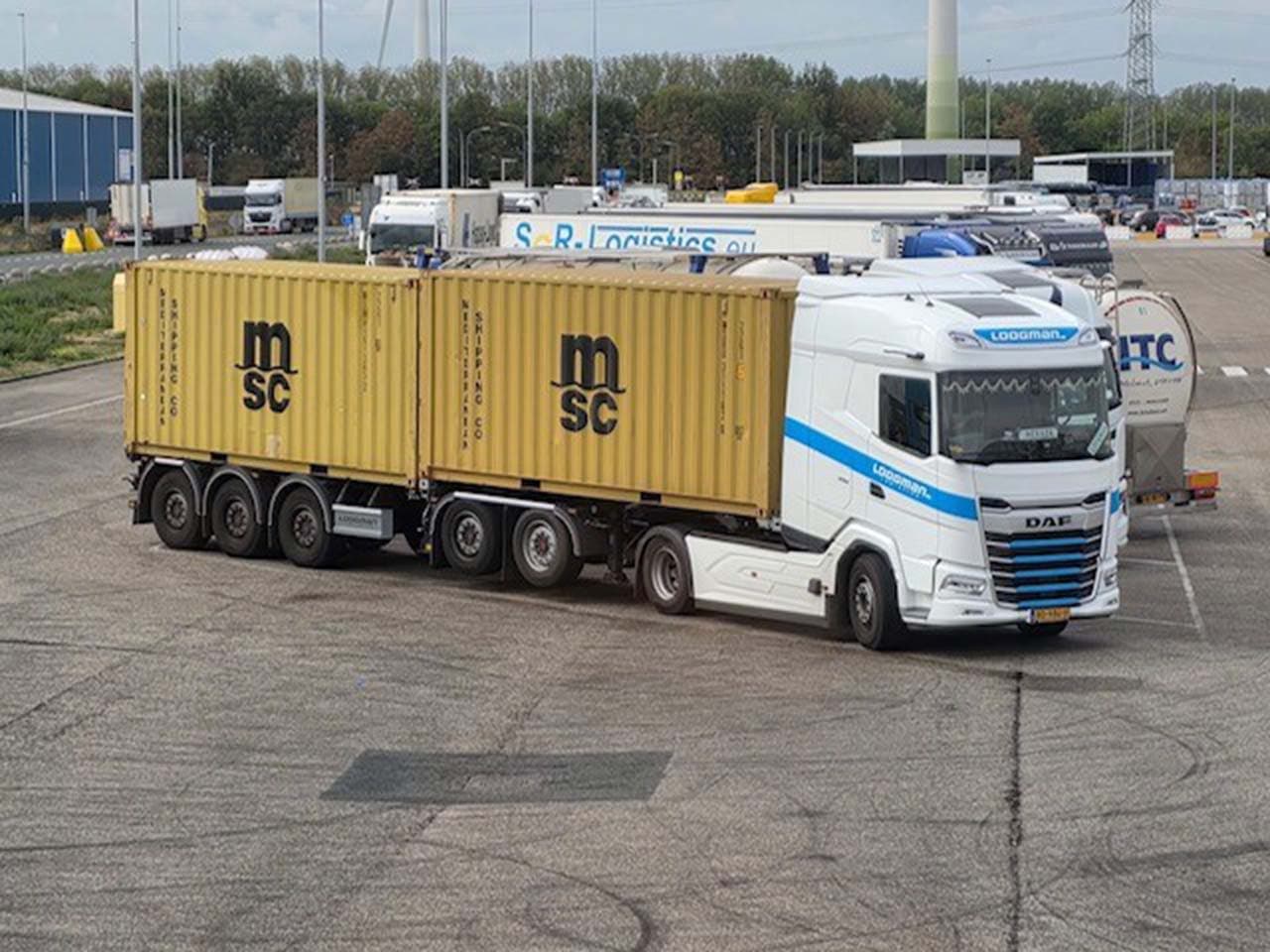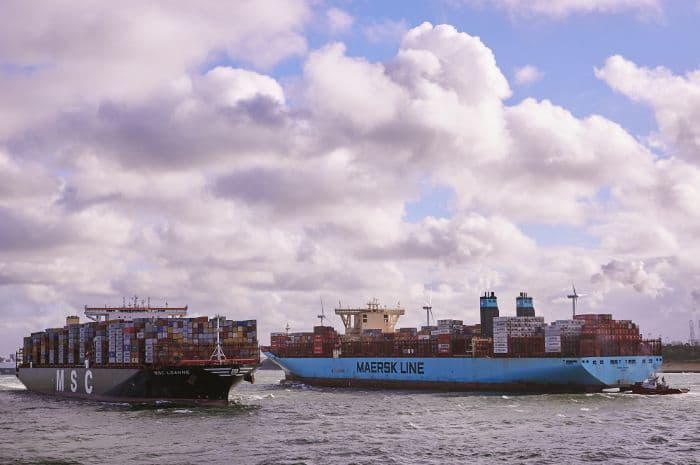
MSC is reportedly achieving higher freight rates on the trans-Atlantic trade lane due to its operational flexibility, specifically its ability to customize port calls and actively manage vessel capacity. This finding comes from the rate benchmarking platform Xeneta. The carrier's approach allows it to optimize services and potentially command better pricing.
In contrast, the Gemini Cooperation, a new alliance between Maersk and Hapag-Lloyd, is experiencing rates below the market average, even though it boasts higher schedule reliability. This suggests that while reliability is a key factor for shippers, other elements like direct port access and capacity control play a significant role in pricing power for carriers.
For freight forwarders and ops managers, this indicates that while schedule reliability is important, MSC's ability to offer tailored services and manage capacity tightly on the trans-Atlantic route can lead to higher costs. Forwarders should consider the trade-off between the potentially higher rates of a flexible carrier like MSC and the lower, but perhaps less direct, service offerings of alliances like Gemini, which prioritize reliability. This dynamic could influence routing decisions and contract negotiations, pushing forwarders to weigh service customization against cost and transit time consistency.