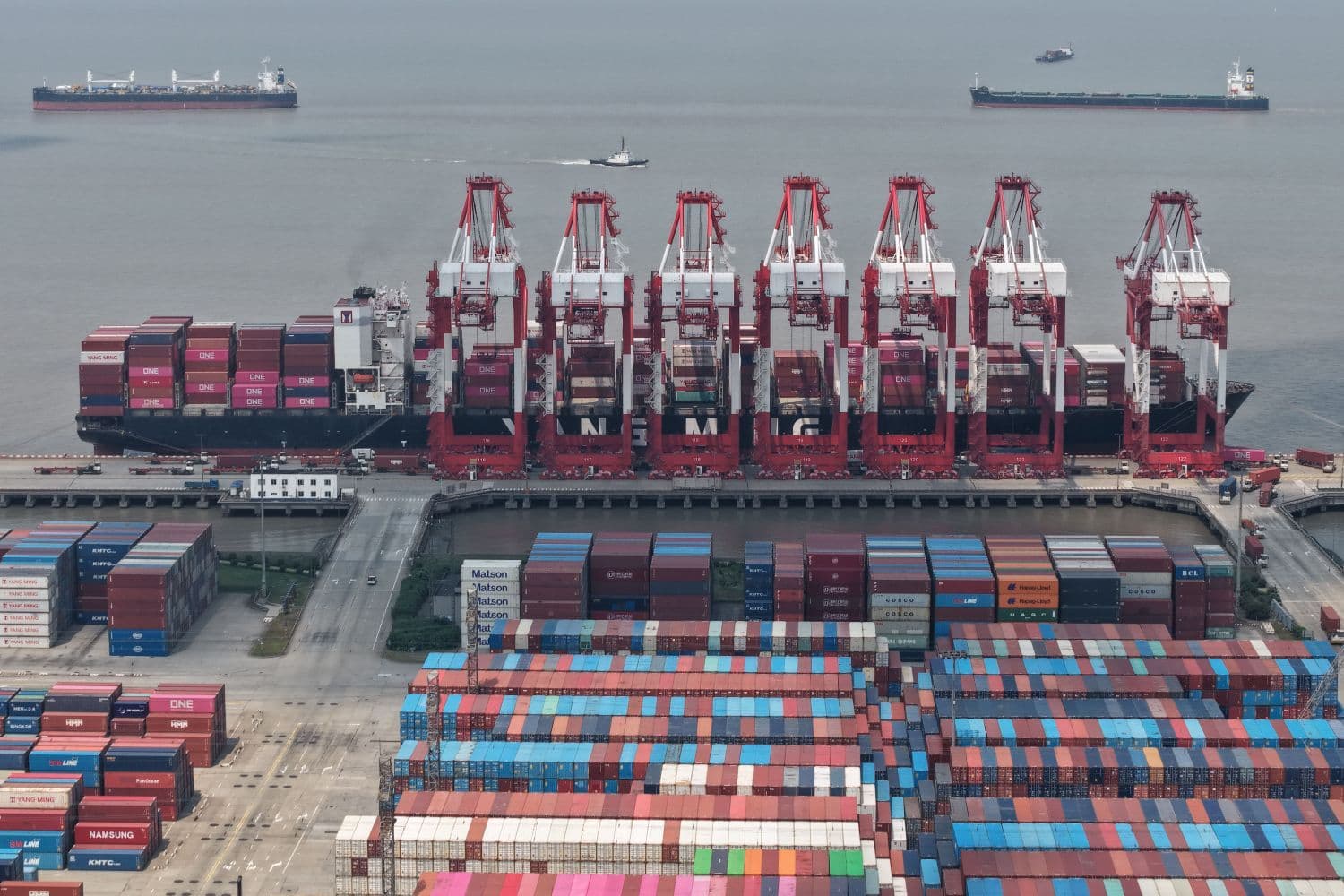
Maersk is reportedly considering the construction of new container ships with a capacity of 27,500 TEU. This potential development signifies a strategic effort by the carrier to reclaim its position as a leader in the ultra-large container vessel segment. Historically, Maersk pioneered the introduction of larger container ships, but other carriers have since surpassed its fleet in terms of individual vessel capacity.
For freight forwarders and operations managers, an increase in vessel size by a major carrier like Maersk could have several implications. Larger ships generally lead to greater slot availability on key trade lanes, potentially stabilizing or even reducing freight rates due to increased supply. However, it could also exacerbate port congestion if port infrastructure is not adequately upgraded to handle these mega-vessels, impacting schedule reliability and transit times. Forwarders should monitor these developments for potential shifts in capacity and pricing dynamics on major East-West routes.