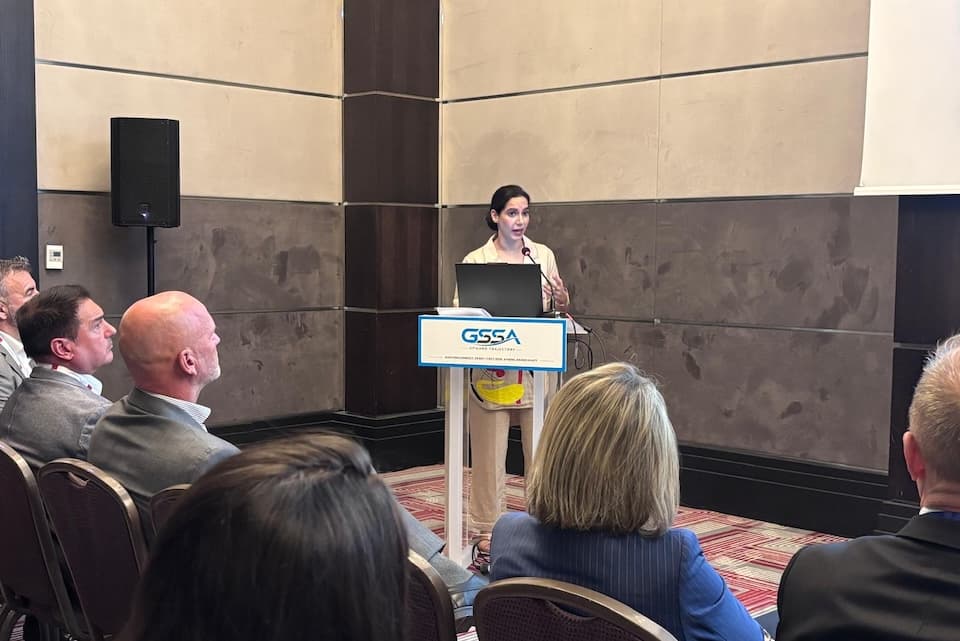
General Sales and Service Agents (GSSAs) are actively working to prevent a "race to the bottom" in air cargo rate wars, particularly in specific regional markets. This proactive approach involves several key strategies, as highlighted by Kritika Seth, executive director of GSA Allied Aviation, at the recent Aviation Connect event in Athens.
One primary method is the extensive use of data. By analyzing market trends, demand patterns, and competitor pricing, GSSAs can make informed decisions that help them avoid unsustainable pricing battles. This data-driven approach allows them to identify niches and opportunities where they can command better rates.
Another crucial strategy is the creation of premium products and services. Instead of competing solely on price, GSSAs are differentiating themselves by offering value-added services, specialized handling, or enhanced reliability. These premium offerings cater to shippers willing to pay more for superior service, thereby insulating GSSAs from general market price pressures.
Furthermore, GSSAs are strategically feeding cargo into their networks from more lucrative locations. This involves actively pursuing business from origins or destinations where freight rates are higher, or where the cargo type commands a better yield. By diversifying their cargo sources and focusing on higher-value shipments, they can offset the impact of lower rates in other areas.
For freight forwarders and operations managers, this trend suggests a continued focus by GSSAs on service differentiation rather than pure cost leadership. Forwarders might find more opportunities for specialized services and potentially more stable pricing on premium routes. However, it also implies that securing the absolute lowest rates on standard lanes might become more challenging as GSSAs become more adept at avoiding unprofitable segments. Understanding the value proposition of different GSSA offerings will be crucial for forwarders when selecting partners and managing their air cargo procurement.