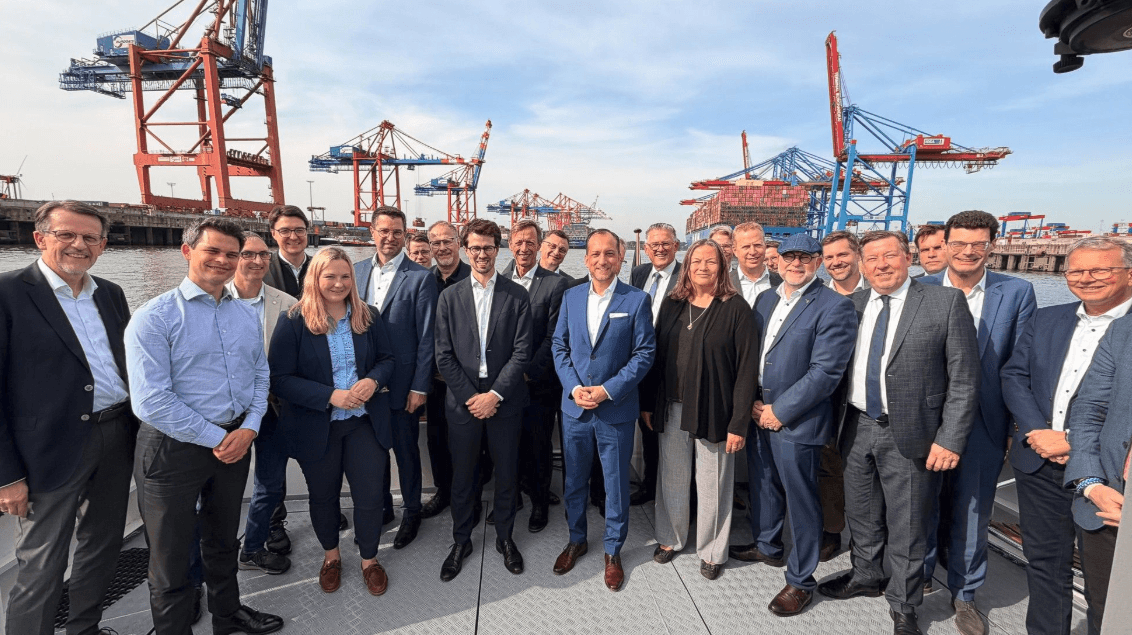
German ports are actively lobbying the federal government in Berlin for a larger share of infrastructure funding. The sector, including the Port of Hamburg and terminal operator HHLA, faces an estimated €15 billion requirement to upgrade its facilities. This substantial investment is needed to expand cargo handling capacity, bolster supply chain resilience against disruptions, and facilitate the transition to more sustainable energy sources and operations.
For freight forwarders and logistics professionals, increased federal investment in German port infrastructure could lead to several positive outcomes. Enhanced cargo capacity would reduce potential bottlenecks and improve operational efficiency, particularly for breakbulk and project cargo movements that often rely on specialized port facilities. Improved resilience would mean fewer disruptions to vessel schedules and cargo flows, leading to more reliable transit times. Furthermore, advancements in energy transition infrastructure could support the handling of new types of cargo, such as components for offshore wind farms, and contribute to greener supply chain options.
While the article does not specify next steps, continued dialogue between the German ports and the federal government is anticipated to secure the necessary funding for these critical upgrades.