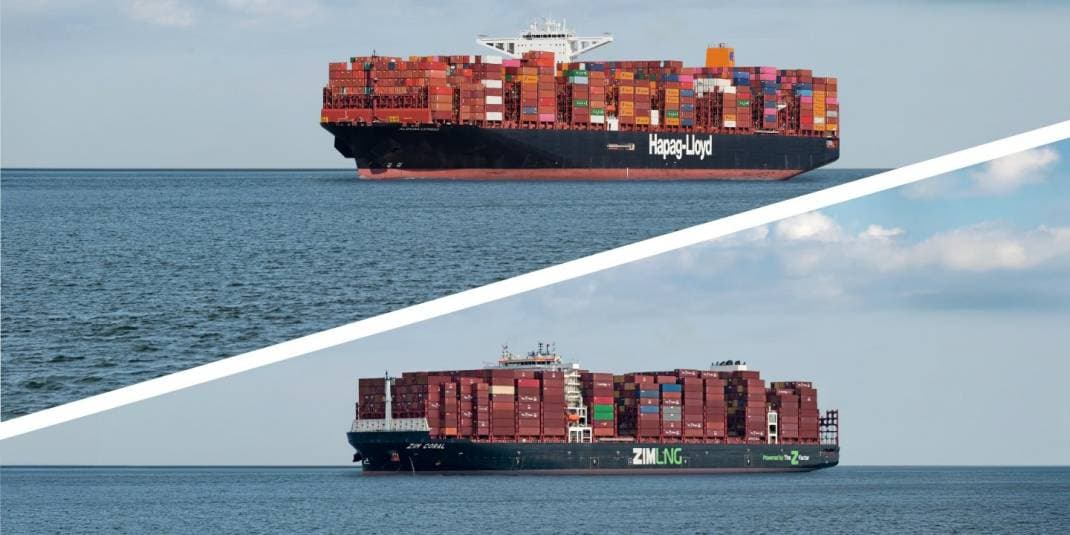
Spot rates for container shipments destined for the US East and West Coasts have recently experienced a decline. This reduction was anticipated as the industry prepared for China's Golden Week holiday period, which typically sees a temporary dip in demand and rates.
Despite this expected easing, the market faces a complicated future. Factors such as increasing port congestion at various global hubs and a notable acceleration in vessels opting for Suez Canal transits are contributing to an unpredictable environment. These elements could introduce new pressures on capacity and schedules, potentially counteracting the current rate softening.
For freight forwarders and operations managers, this situation implies a need for careful planning. While current spot rates might offer some short-term relief, the underlying issues of port congestion and shifting transit patterns could lead to future delays and potential rate volatility. Forwarders should monitor port conditions closely and consider alternative routing strategies to mitigate potential disruptions, especially for time-sensitive cargo. The increased use of the Suez Canal, while faster for some routes, also carries geopolitical risks that could impact insurance premiums or transit reliability.