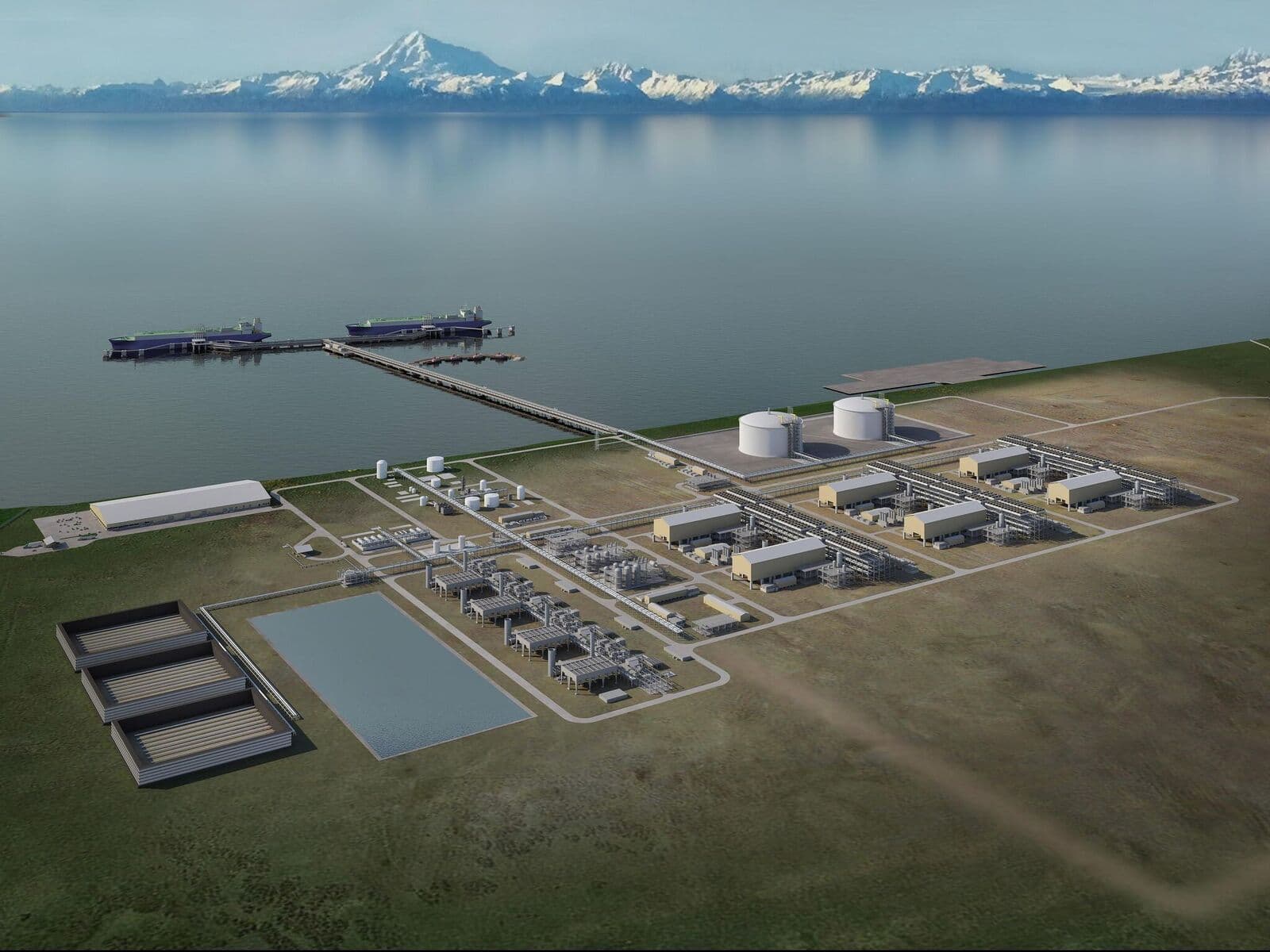
Canada is actively expanding its crude oil export infrastructure on the west coast to enhance its ability to supply Asian markets. A Trans Mountain executive, speaking at APPEC 2026 in Singapore, highlighted that this initiative is crucial for diversifying global energy supply options. The goal is to establish Canada as a consistent and reliable source of heavy sour crude for Asian economies.
For freight forwarders and operations managers, this development signifies potential increases in tanker traffic and demand for associated logistics services on Canada's west coast. While direct freight rates for container or air cargo may not be immediately impacted, the broader economic activity generated by increased oil exports could influence port congestion or available capacity for other cargo types in the long term. Shippers involved in the energy sector, particularly those dealing with crude oil, may find new, stable supply routes to Asia, potentially reducing reliance on other volatile regions. This expansion could also lead to further infrastructure investments in the region, impacting port efficiency and multimodal connectivity.