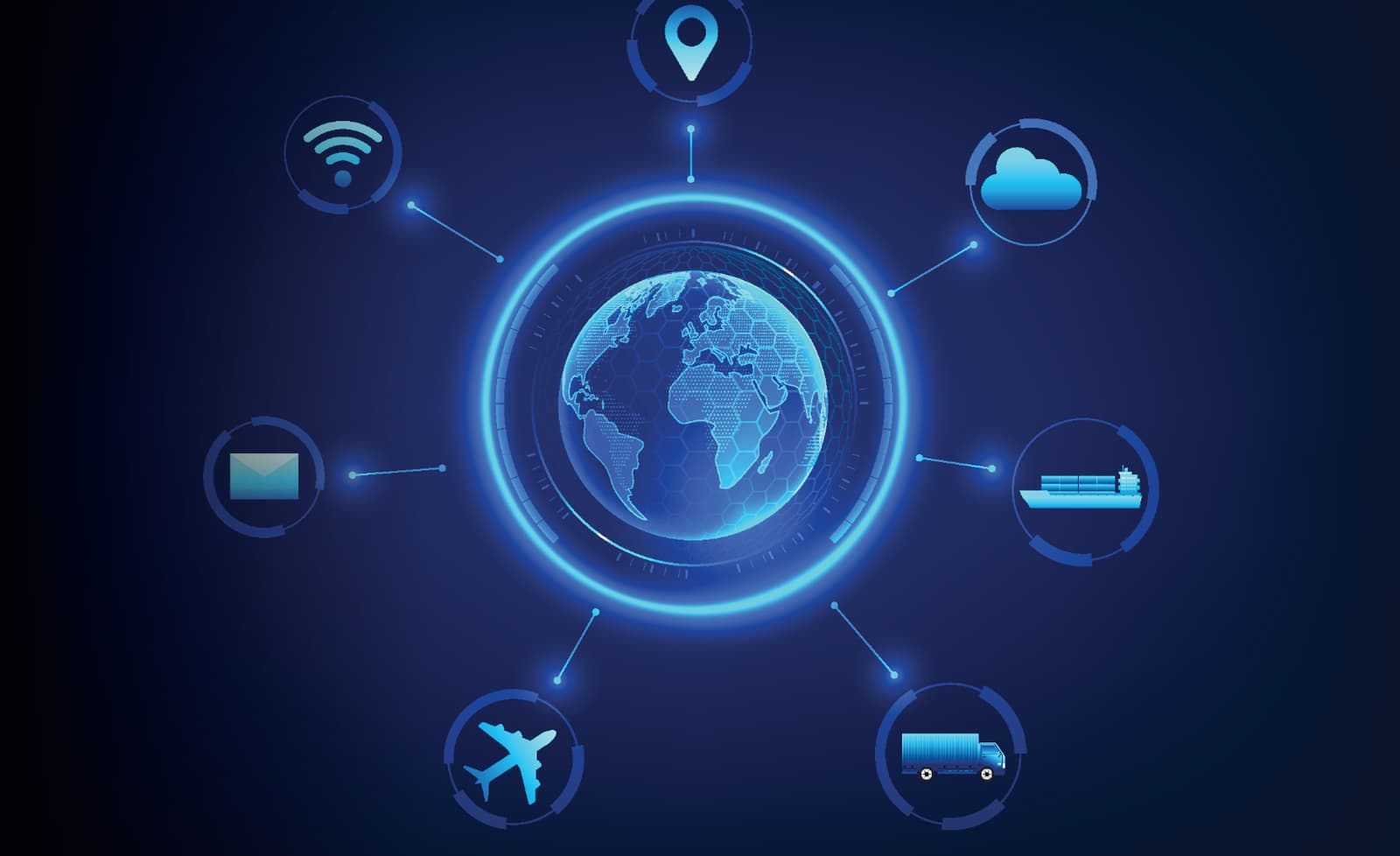
Supply chain resilience is undergoing a significant transformation, moving away from conventional strategies like maintaining large buffers and diversifying suppliers. The industry is now adopting digitally-enabled models that integrate Artificial Intelligence (AI) and predictive analytics. These advanced tools are designed to identify potential disruptions much earlier in the supply chain, allowing companies to react swiftly and effectively without negatively impacting service levels or profit margins.
The core challenge in this shift lies in bridging the gap between simply having visibility into the supply chain and actually executing timely responses. Many organizations face hurdles such as fragmented legacy systems, a lack of clear decision-making frameworks, and weak connectivity across their operational networks. These issues often prevent companies from fully capitalizing on the insights provided by AI and translating them into actionable strategies.
For freight forwarders and operations managers, this trend signifies a growing emphasis on digital integration and data-driven decision-making. Forwarders who can offer AI-enhanced visibility and proactive disruption management will gain a competitive edge. It also implies a need for improved data sharing and system interoperability across the logistics ecosystem to facilitate seamless execution when disruptions occur. Understanding and leveraging these AI capabilities will be crucial for optimizing routing, managing capacity, and mitigating rate volatility for shippers.