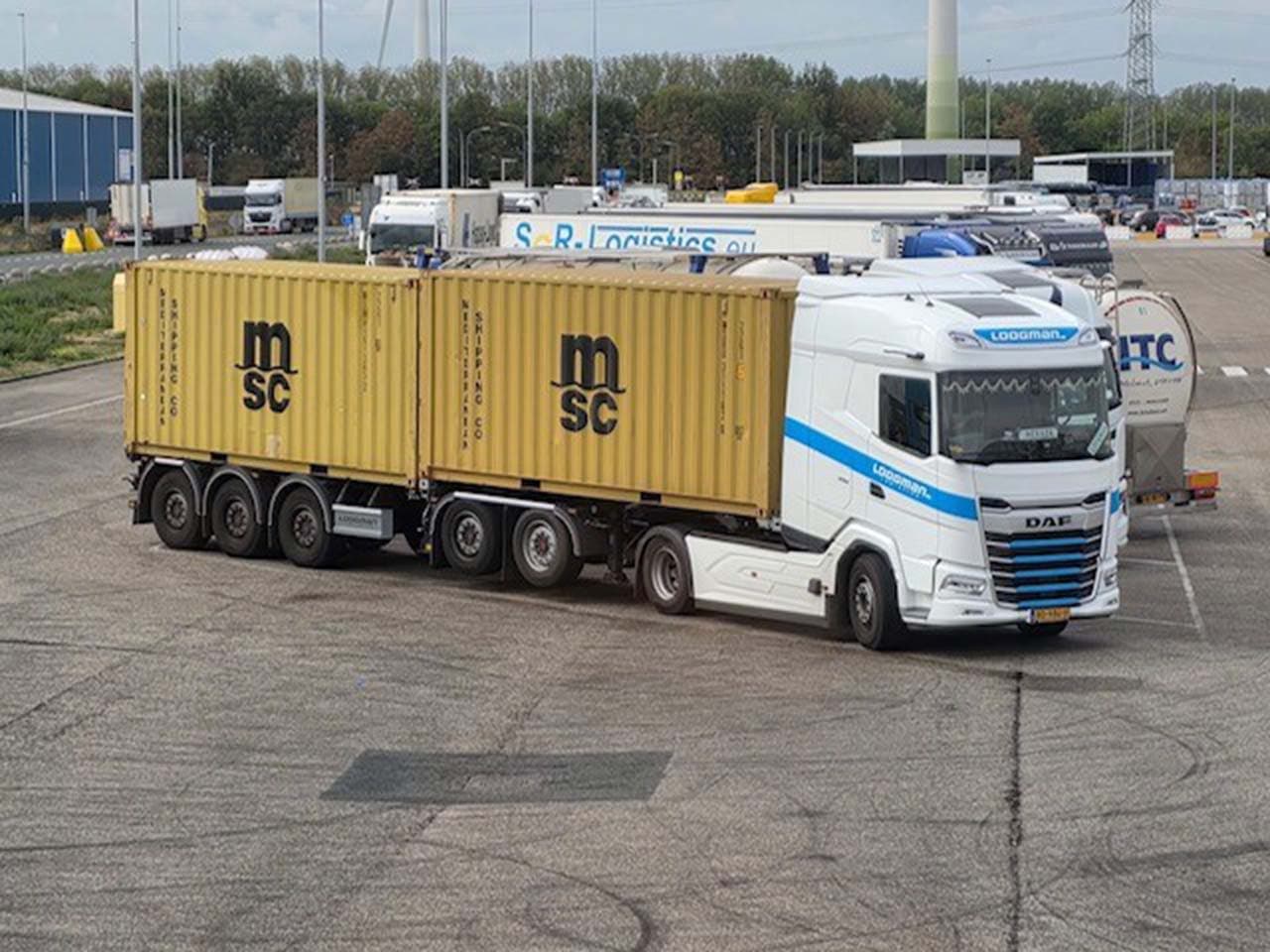
U.S. retailers have substantially ramped up imports through key American ports, leading to an earlier-than-usual surge in cargo activity. This proactive stocking of goods is largely a strategic move to pre-empt the implementation of new tariffs, as indicated by data from the National Retail Federation. The increased import volumes suggest businesses are front-loading their supply chains to mitigate potential cost increases associated with future trade policies.
For freight forwarders and operations managers, this development signals an intensified period of activity outside the traditional peak season window. It implies potential for increased demand for trucking and warehousing services, particularly around major port gateways. Forwarders should anticipate tighter capacity and possibly higher rates for inland transportation as retailers rush to move and store these incoming goods. This early surge could also impact port fluidity and equipment availability, requiring careful planning for drayage and distribution.