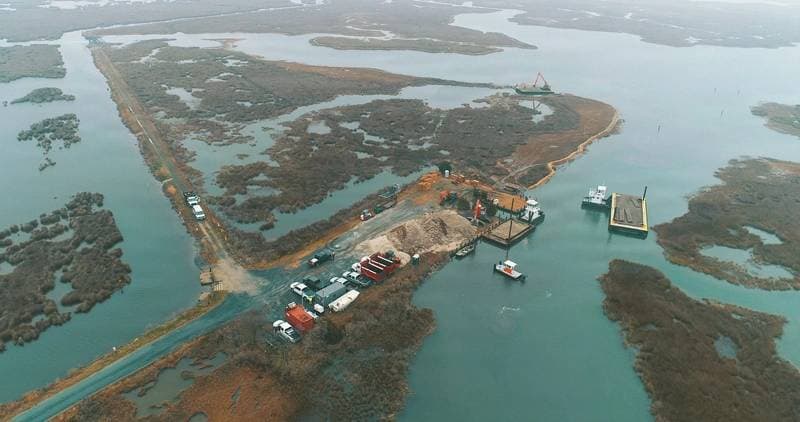
The United States dredging industry is undergoing a significant transformation, moving beyond its traditional role of maintaining navigation channels and expanding harbors. The sector is now strategically focused on supporting large-scale national infrastructure projects, including the development of offshore wind farms, modernization of port facilities, and other initiatives crucial for national defense and economic growth.
This evolving role highlights the industry's importance in facilitating the energy transition and ensuring the resilience of maritime supply chains. The increased investment and focus on strategic dredging projects are expected to improve the efficiency and capacity of U.S. ports, making them more competitive globally.
For freight forwarders and shippers, this development signifies potential improvements in port accessibility and vessel turnaround times, particularly at key U.S. gateways. Enhanced channel depths and wider turning basins can accommodate larger vessels, potentially leading to more direct services and reduced transit times. Furthermore, the emphasis on offshore wind projects will create new opportunities for project cargo and heavy-lift logistics, requiring specialized forwarding expertise for oversized components. This could also influence inland transportation networks as components move from manufacturing sites to port marshalling areas.
While the article does not specify immediate next steps, the ongoing trend suggests sustained investment in dredging capabilities and a continued integration of the industry into broader national infrastructure and energy strategies.