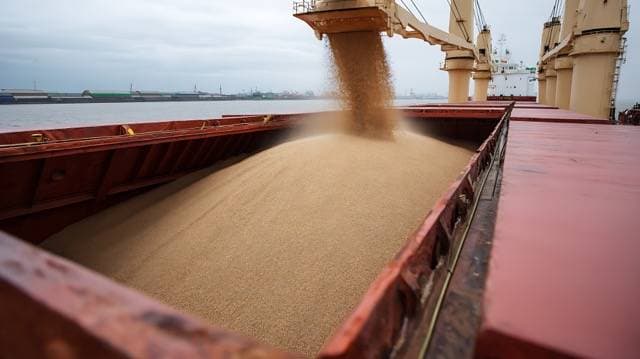
Ukraine is actively exploring and developing alternative pathways for its grain exports, with the agriculture minister indicating that these new routes are projected to achieve their full operational capacity by the end of August at the earliest. However, even at full capacity, these alternative channels are expected to handle only about half the volume previously managed by the Black Sea ports. This significant reduction in export capability stems from ongoing disruptions and security concerns in the Black Sea region due to Russian military actions.
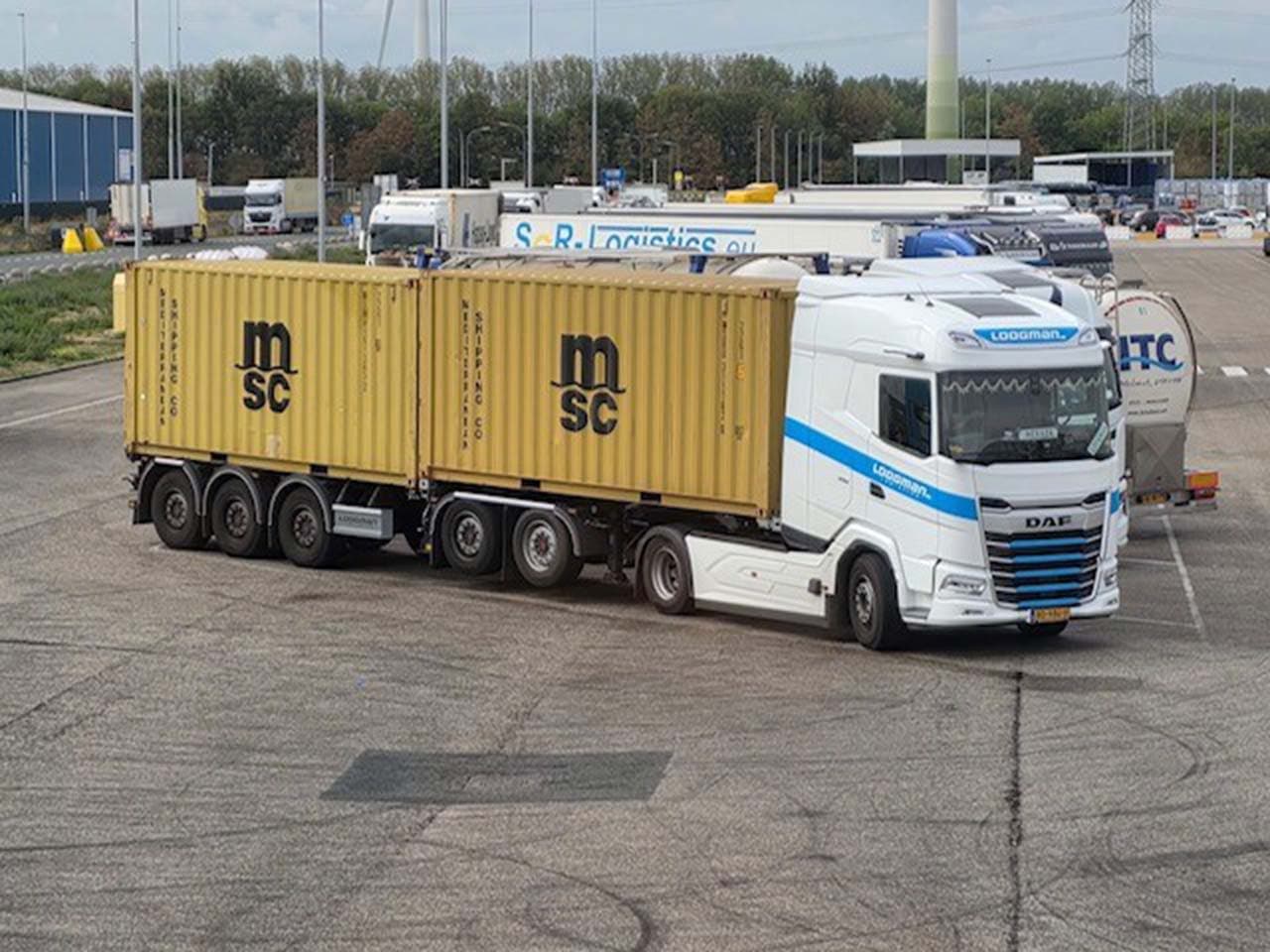
For freight forwarders and operations managers, this development implies continued volatility and potential delays in securing capacity for Ukrainian grain shipments. The reduced overall export volume will likely lead to increased competition for available slots on the alternative routes, potentially driving up inland and port-related logistics costs. Forwarders will need to closely monitor the evolving situation and explore multimodal solutions, including rail and road, to connect with these new export points, while also managing client expectations regarding transit times and reliability. The shift away from traditional Black Sea routes necessitates a complete re-evaluation of supply chain strategies for agricultural commodities originating from Ukraine.
This situation underscores the critical need for resilient supply chains in conflict zones and highlights the challenges in maintaining global food security when major agricultural exporters face severe logistical constraints. The international community continues to seek diplomatic solutions to ensure safe passage for Ukrainian grain, but in the interim, the focus remains on optimizing these alternative, albeit less efficient, export corridors.