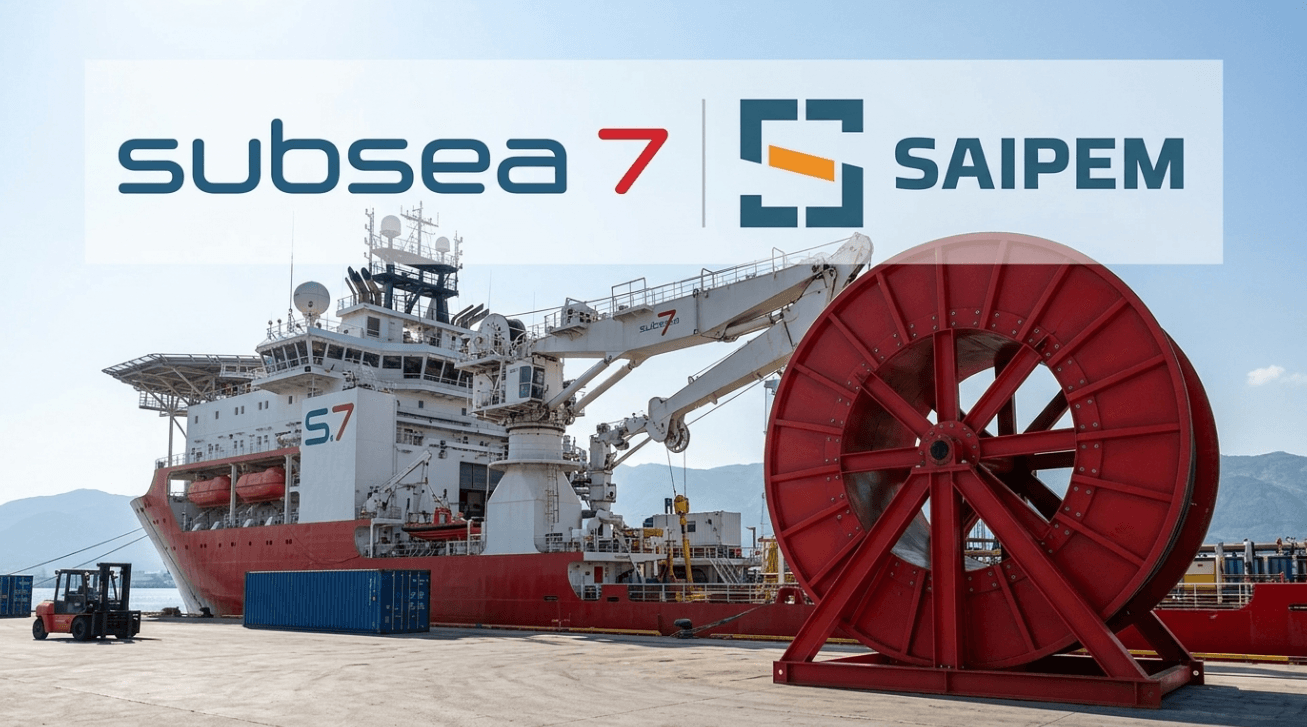
The planned merger between offshore energy service providers Subsea 7 and Saipem has received approval from U.S. antitrust authorities. However, the deal is now under intense examination by competition regulators in Europe and Australia. These bodies are assessing whether the combined company would create an overly dominant player in the subsea installation sector, specifically citing concerns about market control from the North Sea to Australia's Pilbara region.
This increased scrutiny highlights broader regulatory concerns regarding consolidation within the specialized offshore energy and project cargo markets. Regulators are evaluating the potential impact on competition, pricing, and service availability for critical infrastructure projects, particularly those related to the energy transition.
For freight forwarders and shippers involved in project cargo and heavy-lift logistics for the offshore energy sector, this regulatory uncertainty could lead to delays in project timelines and potentially affect the competitive landscape for subsea installation services. A less competitive market might result in fewer options for specialized vessel charters and installation expertise, potentially influencing project costs and scheduling. Forwarders should monitor these developments closely as they could impact future bidding and execution of large-scale offshore projects.
The outcome of the European and Australian reviews will be crucial in determining the feasibility and final structure of the Subsea 7 and Saipem merger.