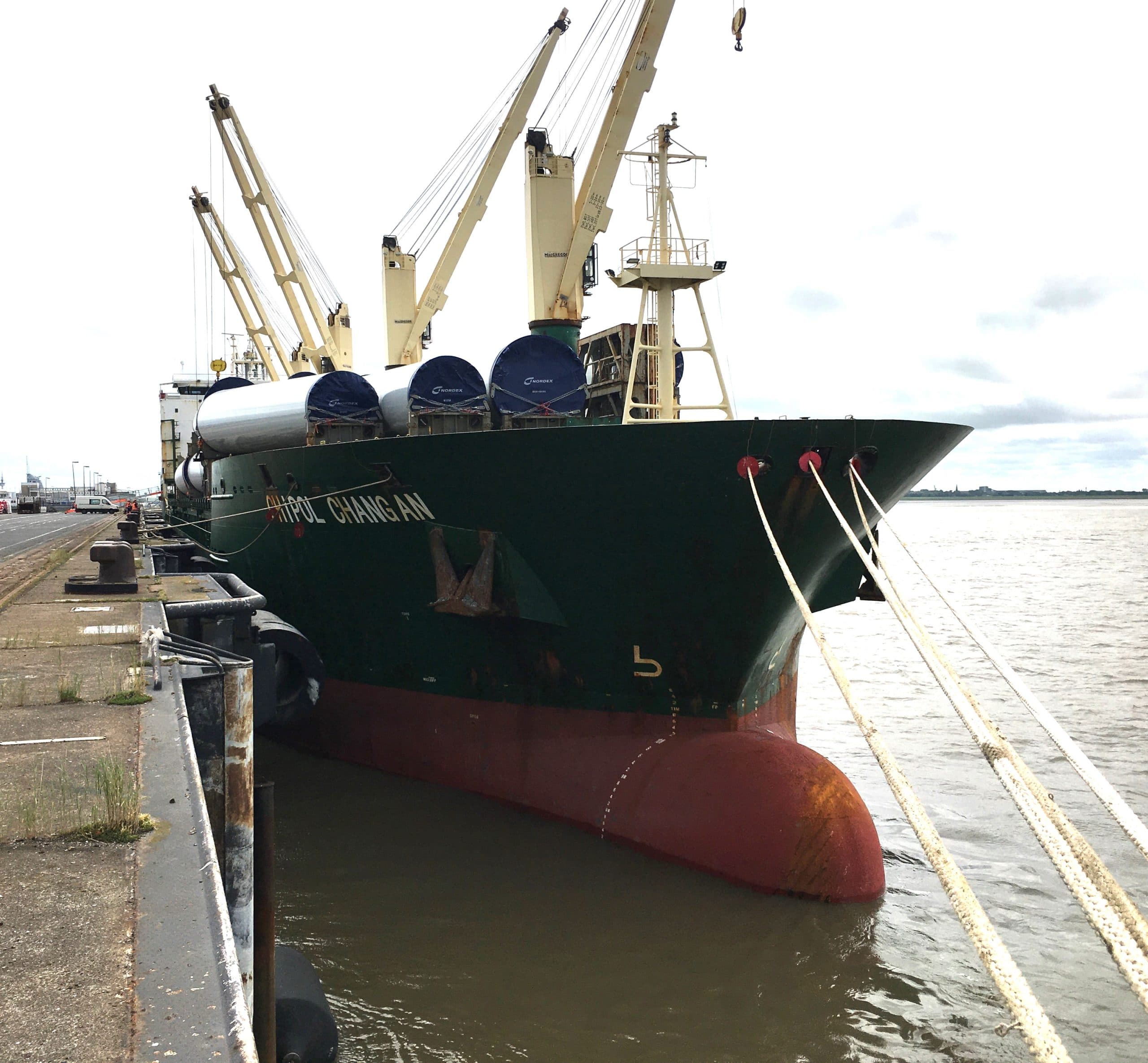
The Strait of Hormuz closure has resulted in a substantial build-up of project cargo, particularly for infrastructure developments in Saudi Arabia. Project cargo carrier Chipolbrok has reported that shipments are currently stranded at loading ports, unable to proceed to their destinations. This situation has led to a decrease in the carrier's fleet utilization.
In response to the disruption, Chipolbrok is actively seeking and securing alternative cargo from German ports to partially offset the impact on its operations and vessel schedules. This strategic adjustment aims to maintain some level of operational efficiency despite the primary trade lane being inaccessible.
For freight forwarders and shippers, this blockade signifies significant routing challenges and potential delays for project cargo destined for the Middle East, especially Saudi Arabia. Forwarders must explore alternative shipping routes, potentially involving transshipment or different modes of transport, which could lead to increased costs and extended transit times. Capacity for project cargo in the region may become constrained, and war risk premiums for any alternative routes through or near conflict zones could rise, impacting overall shipment expenses.