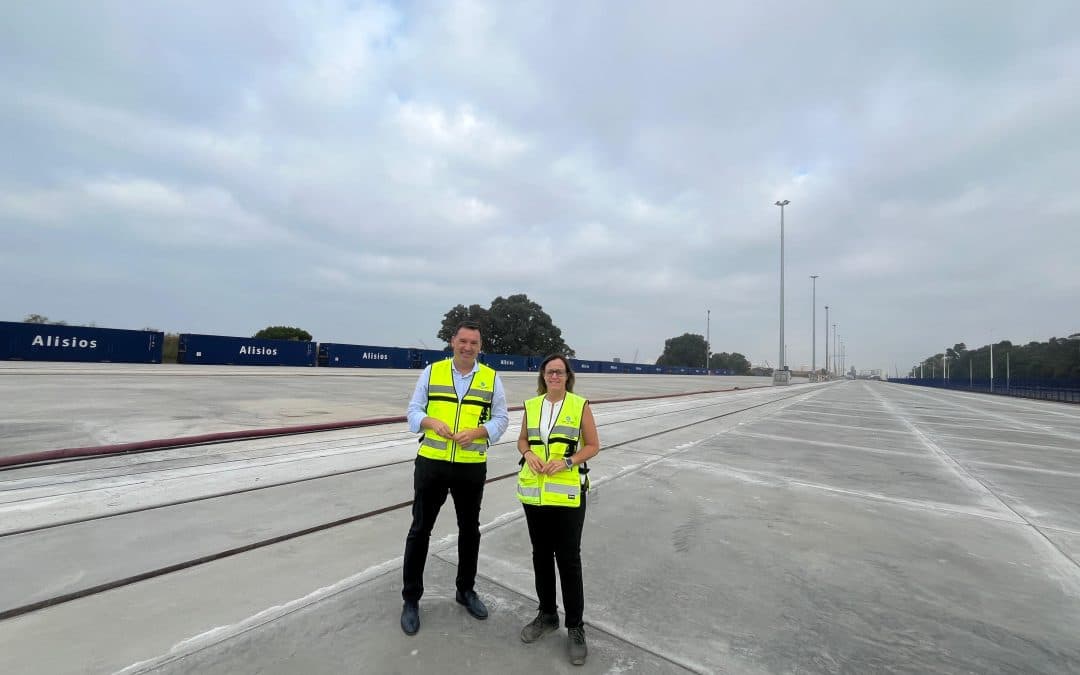
The ports of Huelva and Seville, located in southern Spain, are actively investing in their rail freight infrastructure to expand capacity and improve intermodal connectivity. The Port of Huelva has successfully completed the extension of its internal rail network, a crucial step in accommodating longer trains and increasing overall rail cargo handling efficiency. Concurrently, the Port of Seville is advancing with the development of a new intermodal terminal, which will serve as a vital hub for transferring goods between different transport modes.
These developments are part of a broader strategy to strengthen the role of rail in the logistics chains connecting these ports to their hinterlands and beyond. For freight forwarders and operations managers, these upgrades signify improved options for inland transport from and to these Spanish ports. Enhanced rail capacity can lead to more reliable and potentially faster transit times for cargo, especially for shipments destined for or originating from inland Spain or other parts of Europe. It may also offer a more sustainable alternative to road transport, aligning with increasing environmental mandates from shippers. The increased efficiency could also help mitigate road congestion and reduce operational costs for certain types of cargo.
Looking ahead, these infrastructure improvements are expected to attract more rail freight volumes to both Huelva and Seville, solidifying their positions as key logistics gateways in the region. The completion of these projects will likely lead to greater flexibility in routing cargo and potentially more competitive pricing for rail-based intermodal services.