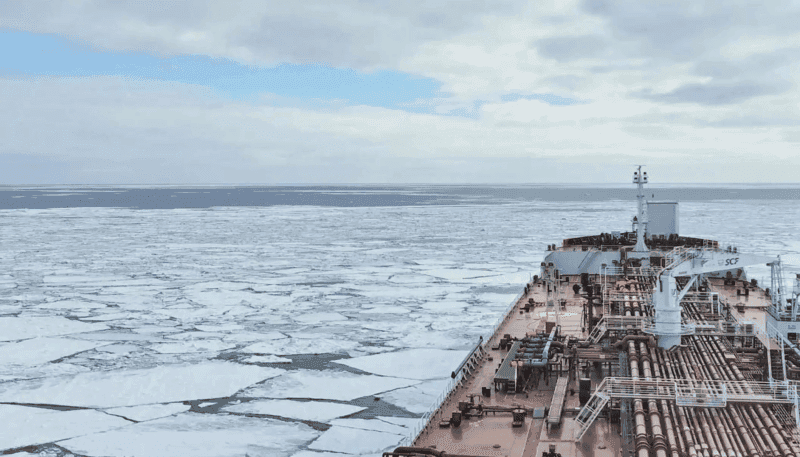
Russia has deployed a significant convoy of oil tankers through the Arctic's Northern Sea Route (NSR) to facilitate crude oil exports to Asian markets. This strategic shift is designed to bypass established global shipping chokepoints, potentially reducing transit times and avoiding geopolitical risks associated with traditional routes. The volume of oil currently being moved or awaiting transit via the NSR, approximately 8 million barrels, already exceeds half of the total volume transported during the entire summer navigation season of the previous year.
For freight forwarders and operations managers, this development signals a potential long-term shift in global energy trade routes. While primarily impacting the oil and gas sector, increased activity in the Arctic could lead to greater investment in ice-class vessels and infrastructure, potentially opening up new, albeit challenging, trade lanes for other types of cargo in the future. Forwarders should monitor the reliability and capacity of the NSR as a viable alternative, especially for specialized cargo requiring northern access. This route offers a shorter distance between Europe/Russia and Asia compared to the Suez Canal, but comes with significant operational complexities due to ice conditions and limited navigation windows.
This accelerated use of the Arctic route underscores Russia's efforts to maintain its oil export volumes and diversify its shipping channels amidst ongoing international sanctions and geopolitical tensions. The increased traffic also highlights the growing commercial viability and strategic importance of the Northern Sea Route.