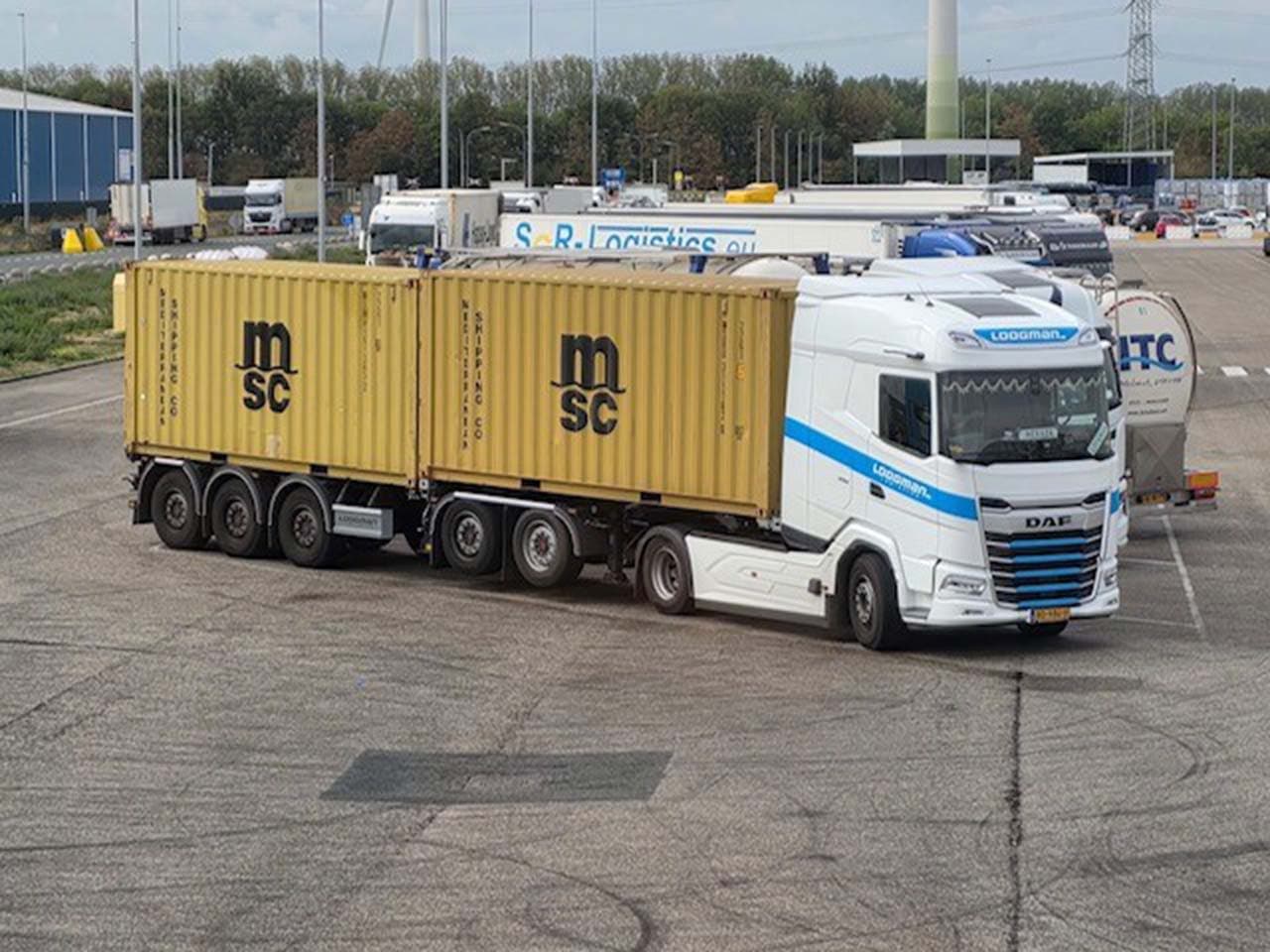
The road freight market is currently characterized by tight capacity and firm rates, a trend supported by recent data and carrier earnings reports. Several key factors contribute to this situation. Tender rejections remain elevated, indicating that carriers are declining a significant portion of tendered loads, suggesting limited available capacity. Spot rates are also holding steady, reflecting the strong demand relative to supply.
Demand for freight services continues to be robust, preventing any significant softening in the market. Additionally, there's a noticeable shift towards dedicated contract capacity, which further reduces the pool of available trucks for the spot market. A critical underlying issue is the persistent difficulty in recruiting and retaining truck drivers, exacerbating the capacity crunch.
For freight forwarders and operations managers, this environment means continued pressure on pricing and potentially longer lead times for securing road transport. The shift to dedicated capacity might make it harder to find ad-hoc solutions, requiring more proactive planning and potentially higher costs for urgent shipments. Understanding these dynamics is crucial for managing client expectations and optimizing routing strategies in a constrained market.