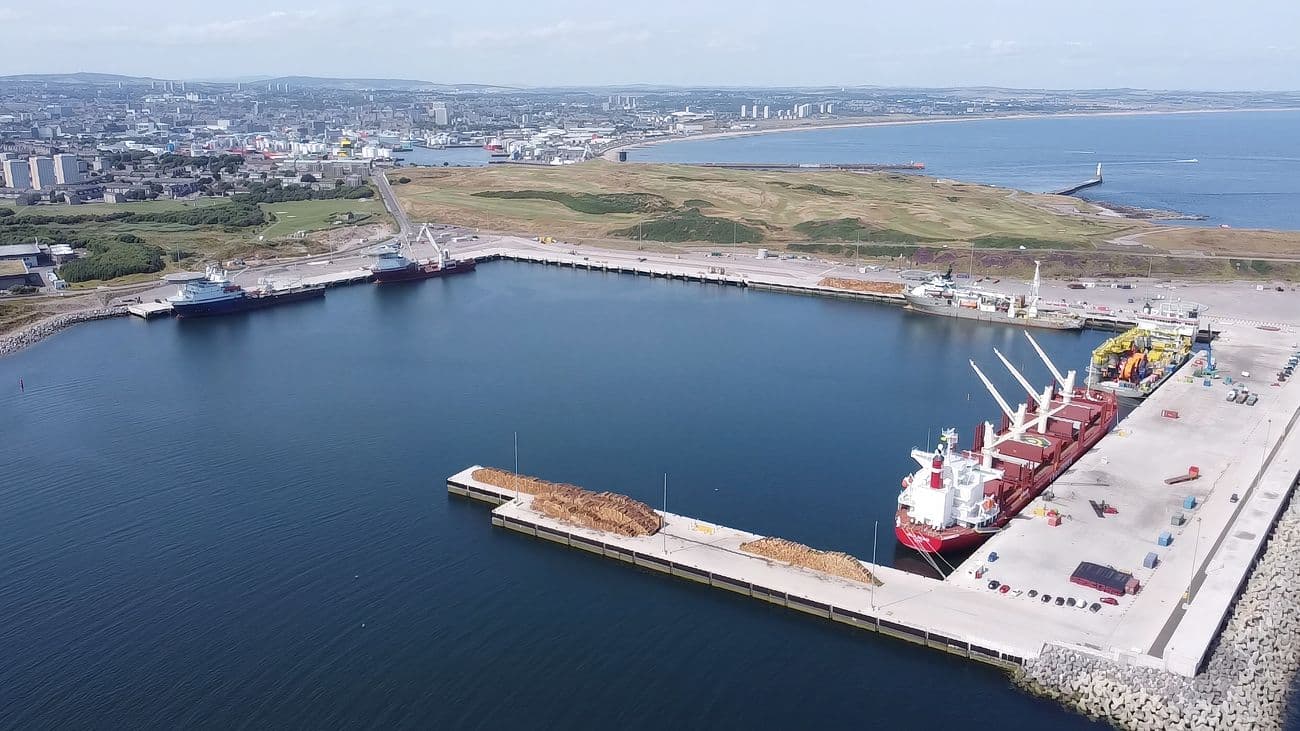
The Port of Aberdeen is currently undergoing a substantial transformation, redirecting its operational focus from its historical role in North Sea oil and gas logistics towards becoming a central hub for renewable energy. This strategic pivot is one of the most significant changes in the port's 890-year history, driven by the maturing and eventual decline of the fossil fuel sector.
Historically, Aberdeen has been synonymous with supporting the North Sea's oil and gas industry, serving as a critical base for exploration, production, and supply chain activities. However, global energy transitions and decarbonization efforts necessitate a re-evaluation of long-term economic strategies for regions heavily dependent on fossil fuels.
For freight forwarders and logistics managers, this transformation signals new opportunities, particularly in project cargo and heavy-lift operations related to offshore wind, hydrogen, and other renewable energy projects. It may lead to increased demand for specialized handling equipment, storage, and transport services for large components like wind turbine blades, foundations, and subsea infrastructure. Forwarders should monitor the port's infrastructure developments and capacity enhancements to align their service offerings with the emerging requirements of the renewable energy supply chain. This shift could also influence vessel calls and routing for specialized project carriers.
The port's future development will likely involve significant investment in infrastructure tailored to renewable energy, including enhanced quayside facilities, deeper berths, and expanded storage areas for oversized components. This proactive adaptation aims to secure Aberdeen's economic relevance in the evolving global energy landscape.