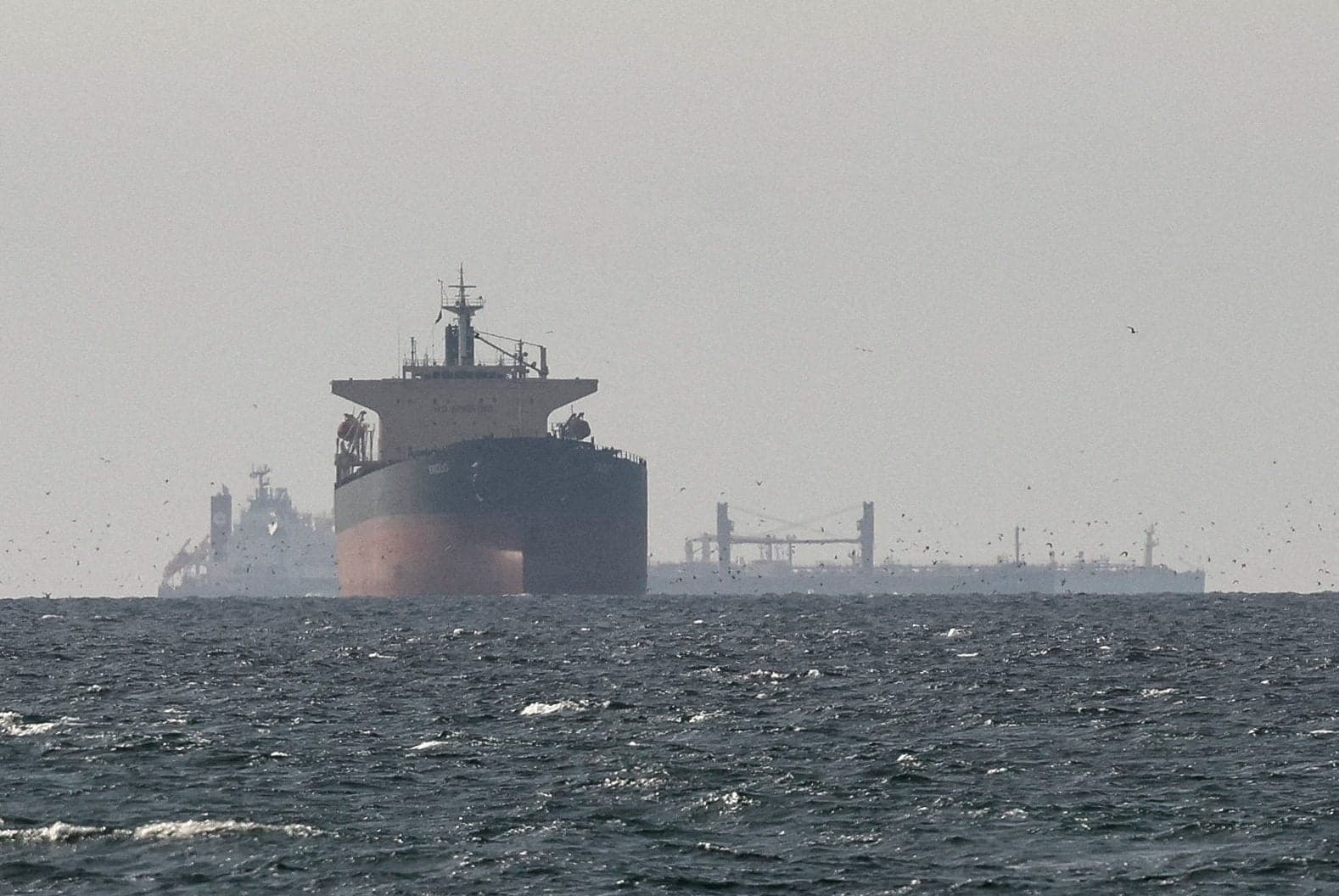
Pakistan has indicated that the United States and Iran are nearing a form of agreement, even as new reports of attacks on shipping vessels in the region have emerged. Concurrently, Qatar, which is also mediating between the two nations, confirmed that negotiations concerning the regulation of the Strait of Hormuz are in an advanced stage. This development suggests ongoing diplomatic efforts to de-escalate tensions in a critical maritime chokepoint.
For freight forwarders and operations managers, any agreement or de-escalation in the Strait of Hormuz could potentially stabilize shipping routes and reduce war risk premiums. The Strait is a vital passage for global oil and gas shipments, and disruptions directly impact vessel scheduling, insurance costs, and overall supply chain reliability. A successful deal could lead to more predictable transit times and lower operational expenses for carriers, which might translate into more stable freight rates for shippers. Conversely, continued instability or attacks would likely maintain or increase these costs and risks.
While the specifics of the potential deal remain undisclosed, the involvement of mediators like Pakistan and Qatar highlights the international community's interest in ensuring safe passage through the Strait. The ongoing attacks, however, underscore the fragility of the situation and the need for a durable resolution to prevent further disruptions to global trade.