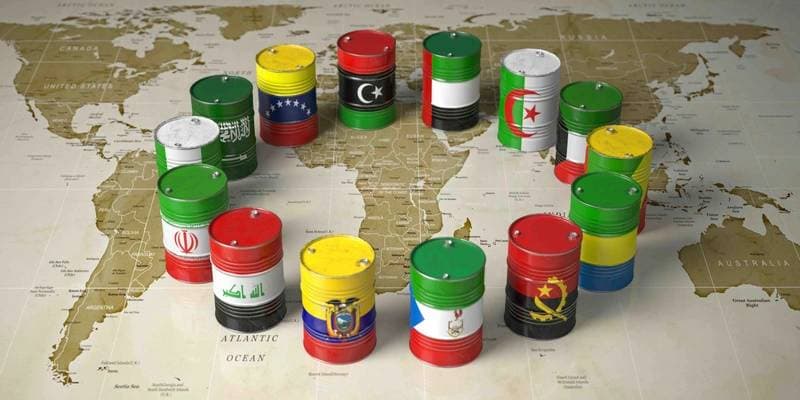
OPEC's oil production experienced a notable increase during July, a development confirmed by a recent Reuters survey. This uptick in output is primarily a result of Gulf member countries reactivating their oil supplies. These supplies had been previously disrupted and shut down due to the conflict with Iran and the subsequent effective closure of the Strait of Hormuz, a critical chokepoint for global oil transit.
For freight forwarders and operations managers, this increase in OPEC oil output could have several implications. A rise in global oil supply generally leads to more stable or potentially lower crude oil prices. This, in turn, can affect the cost of bunker fuels (VLSFO, MGO, HSFO) used by container ships and other vessels. Lower bunker prices could translate into reduced operational costs for carriers, potentially leading to more competitive freight rates or at least mitigating upward pressure on rates. Additionally, a more reliable oil supply from the Gulf region could enhance overall energy market stability, indirectly benefiting the global supply chain by reducing volatility in fuel-related surcharges.