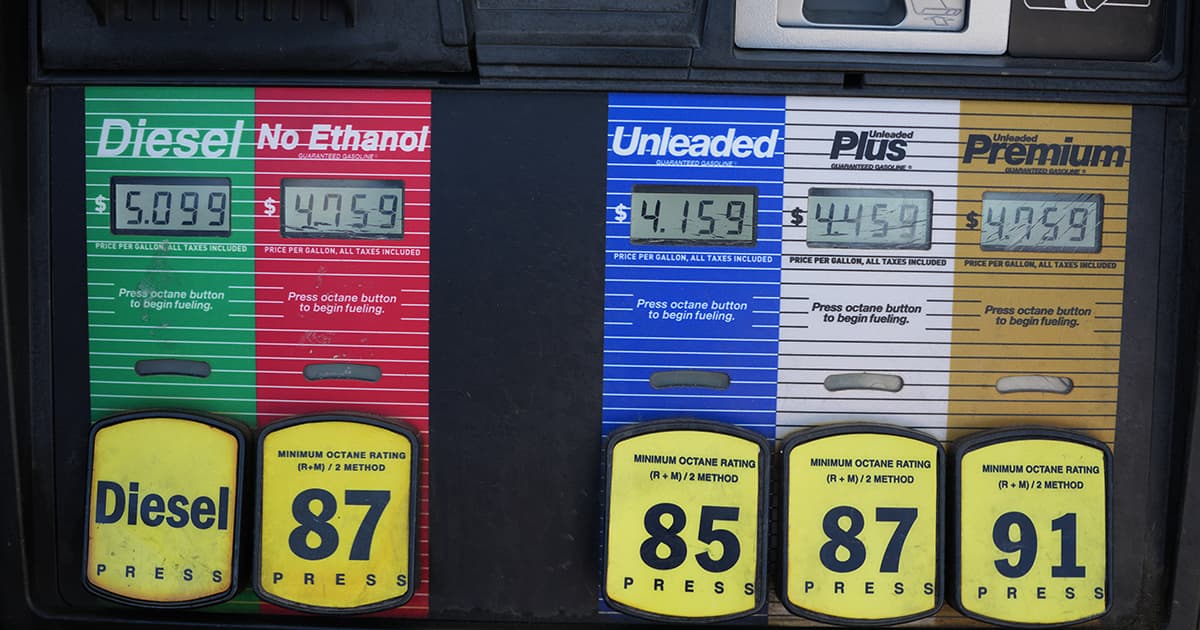
Major oil companies are experiencing considerable financial gains, primarily attributed to the surge in oil prices. This increase is a direct consequence of the protracted conflict involving Iran, which has created instability in the global energy markets. The elevated crude oil prices have directly translated into higher costs for refined petroleum products such as gasoline, jet fuel, and diesel.
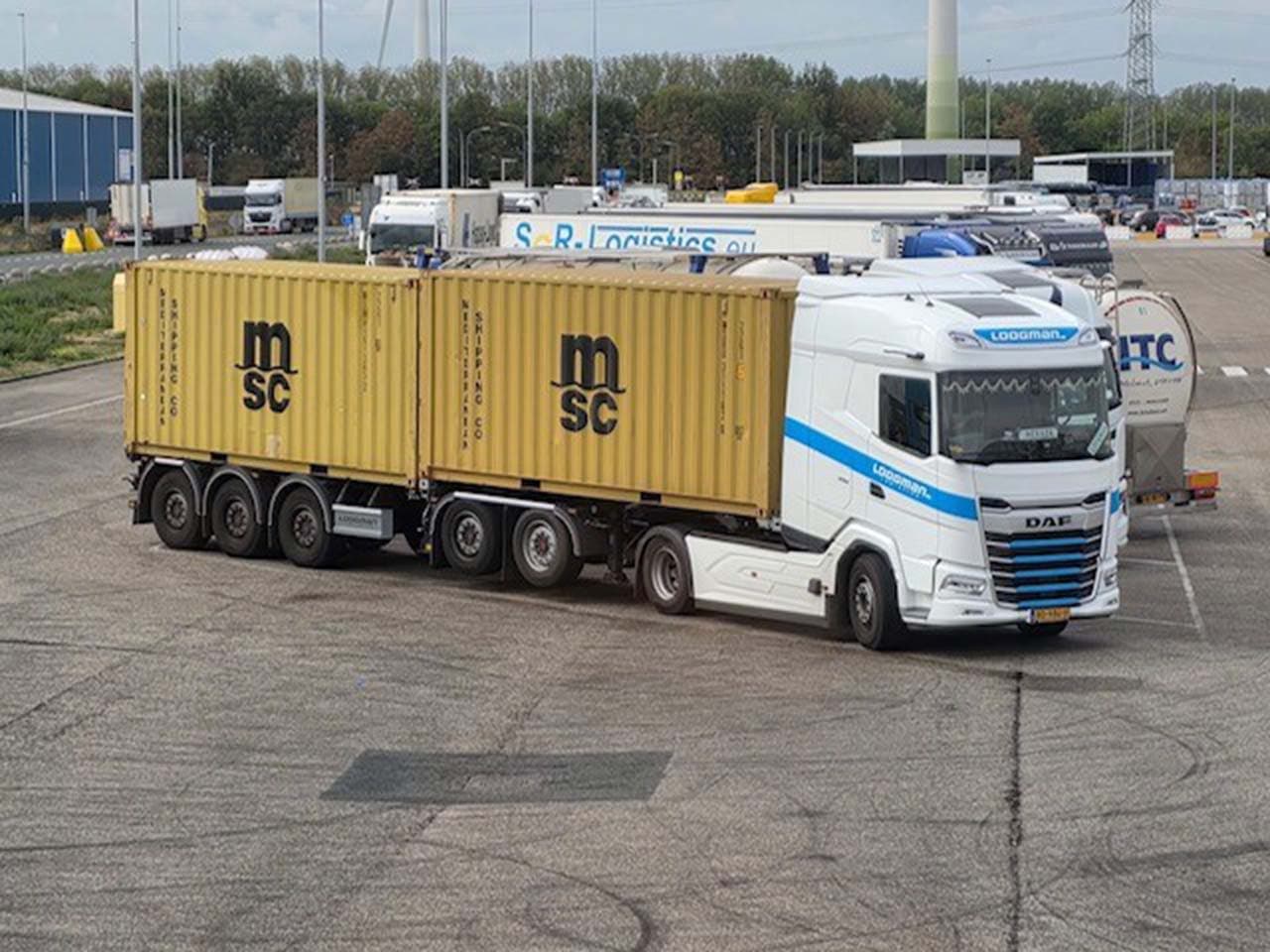
For freight forwarders and logistics operations managers, these rising fuel costs directly translate into increased operational expenses across all transport modes. Higher bunker prices for sea freight, more expensive jet fuel for air cargo, and elevated diesel costs for road and rail transport will likely lead to surcharges and overall rate increases for shippers. This situation necessitates careful budgeting and potentially adjusting pricing strategies to account for the volatile fuel market. Forwarders should anticipate ongoing pressure on freight rates as long as geopolitical tensions continue to influence oil prices, impacting profitability and requiring transparent communication with clients regarding cost adjustments.