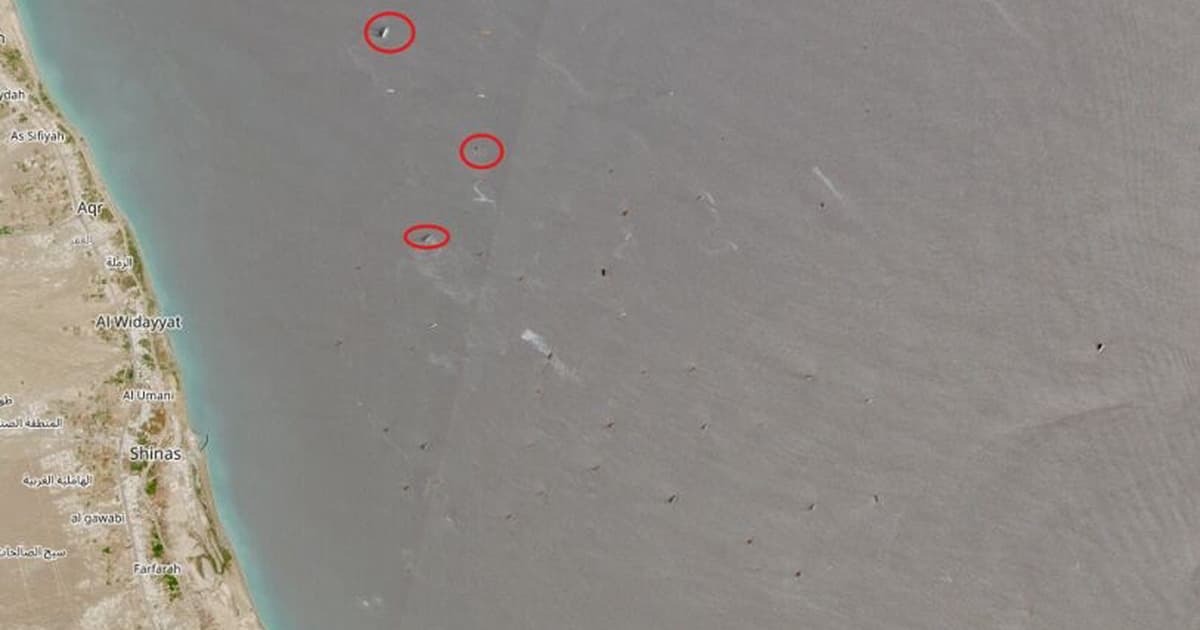
Oil cargo transfers are reportedly taking place outside the Strait of Hormuz, indicating that covert shipping practices are being employed to sustain global energy markets. These ship-to-ship (STS) operations allow for the movement of crude oil and refined petroleum products, potentially enabling transactions that might otherwise face scrutiny due to ongoing geopolitical tensions in the region. The shuttling and transfers of barrels are providing a vital lifeline for global energy markets during the ongoing tensions in the region.
For freight forwarders and operations managers, this practice highlights the complex and often opaque nature of certain commodity supply chains, particularly in high-risk areas. While direct involvement in such transfers might be rare for general forwarders, understanding these dynamics is crucial for assessing broader market stability, potential impacts on tanker availability, and the risk landscape for related logistics services. The increased use of such methods could also influence insurance premiums and routing decisions for legitimate cargo, as it signals heightened operational risks in the wider Persian Gulf area.