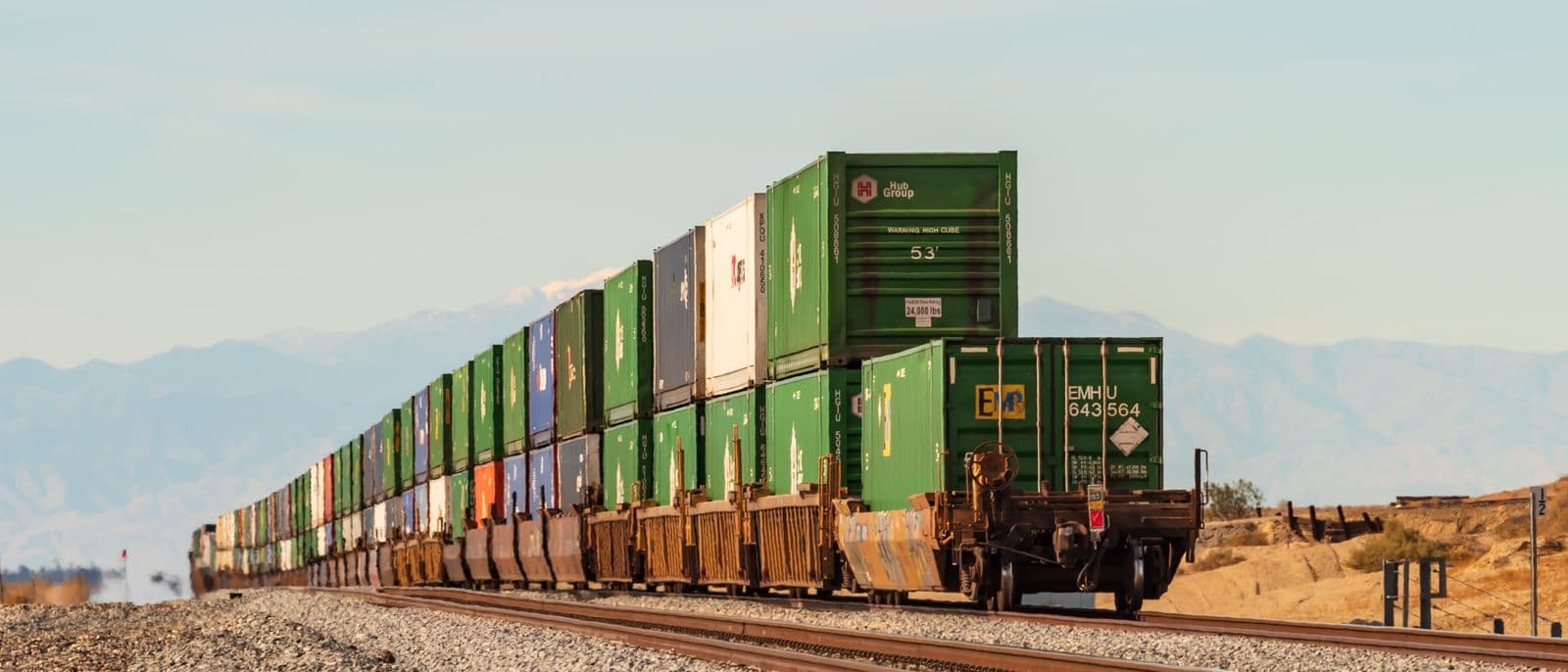
North American shippers experienced a decline in their satisfaction with intermodal services during the first half of the year. This decrease is primarily linked to operational challenges such as slower train transit times, less dependable schedules for both cargo pickup and delivery, and a higher frequency of tender rejections by carriers. These issues are a direct consequence of the significant surge in intermodal volumes across the region.
For freight forwarders and operations managers, this trend indicates potential disruptions in supply chain planning and execution. Increased tender rejections mean more effort is required to secure capacity, potentially leading to higher spot rates or longer lead times. Reduced schedule reliability necessitates greater flexibility in planning and more frequent communication with clients regarding shipment status. Slower train speeds can impact inventory management and overall transit times, requiring adjustments to buffer stocks and delivery expectations.