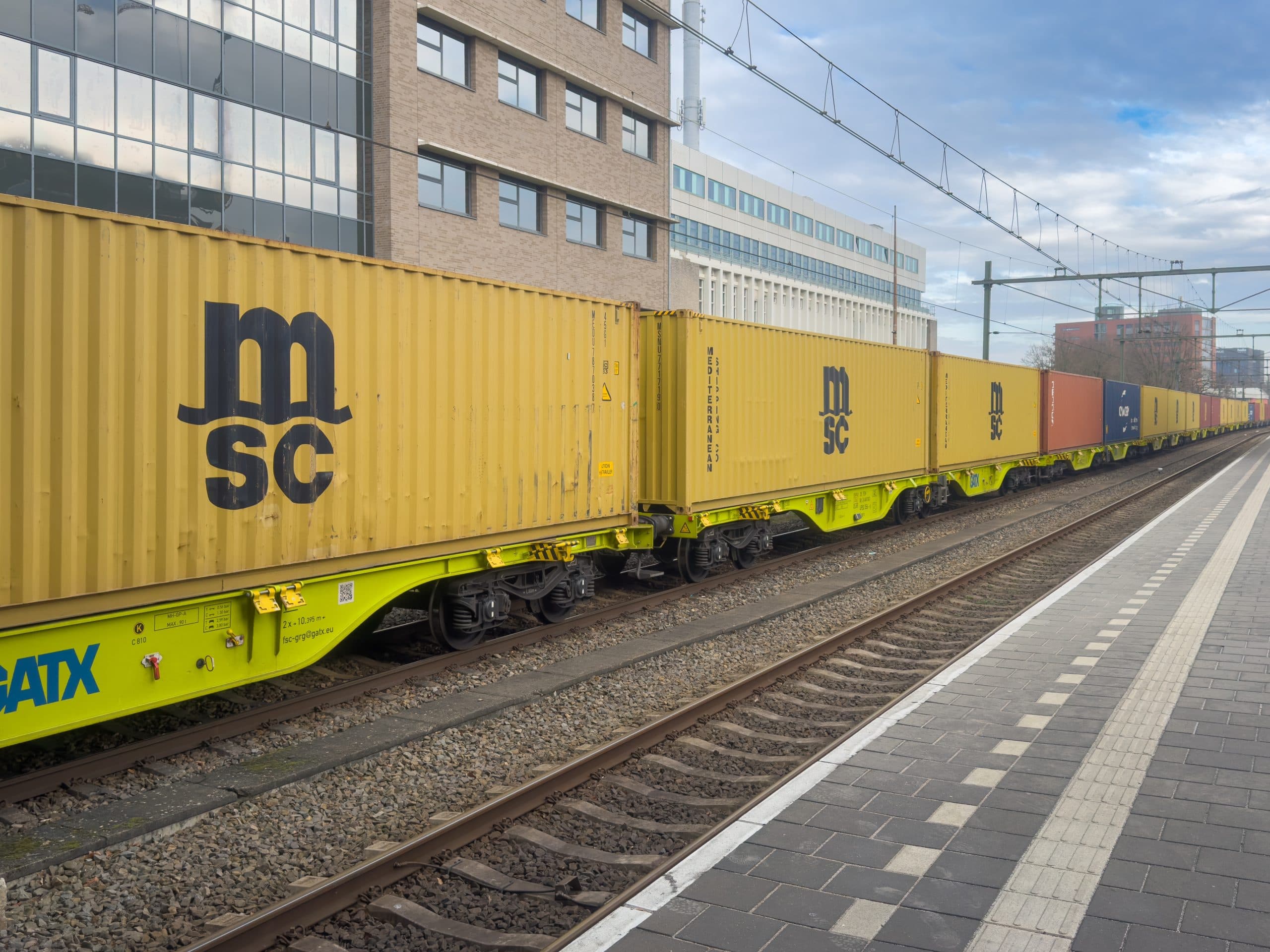
MSC, a major shipping line, has introduced 'traffic congestion surcharges' applicable to rail, trucking, and intermodal rail-truck services. These charges will affect cargo moving to and from the ports of Antwerp and Rotterdam, particularly for routes that transit through Andernach.
The implementation of these surcharges is a direct response to the persistent low water levels on the Rhine River. Historically, the Rhine is a crucial waterway for inland cargo transport in Europe, with barges offering a cost-effective and environmentally friendly option for moving containers. However, reduced water depths severely restrict barge capacity, often forcing operators to lighten loads or cease operations entirely. This shifts cargo volumes to road and rail networks, leading to increased congestion and operational costs for these alternative modes.
For freight forwarders and shippers, these surcharges translate into higher inland transportation costs for cargo moving through these key European gateways. The shift from barge to rail and road also means potential delays and reduced reliability, as the existing infrastructure for these modes may struggle to absorb the sudden increase in volume. Forwarders should anticipate longer transit times and factor in these additional costs when quoting or planning shipments to and from the affected regions. It also highlights the importance of diversifying inland transport strategies and monitoring river levels closely during dry periods.
While the article does not specify future actions, the surcharges are likely to remain in effect as long as the Rhine's water levels continue to impede normal barge operations, indicating ongoing challenges for European inland logistics.