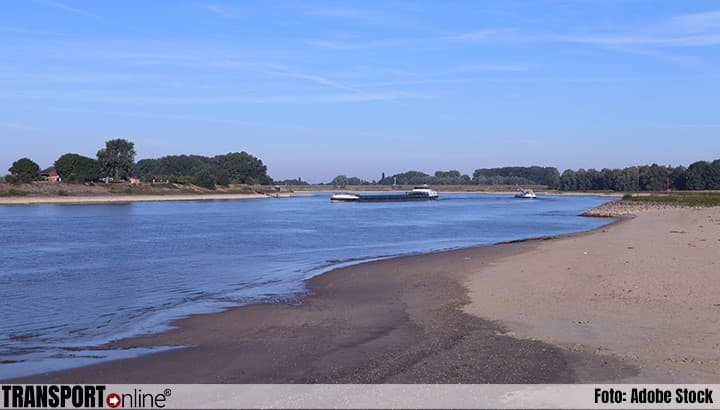
Low water levels on the Rhine River are leading to a considerable surge in gasoline and diesel prices in various German regions. This situation arises because a substantial portion of Germany's fuel supply is transported via inland waterways, particularly the Rhine. Reduced water depths mean that barges can carry less cargo or, in some cases, cannot operate at all.
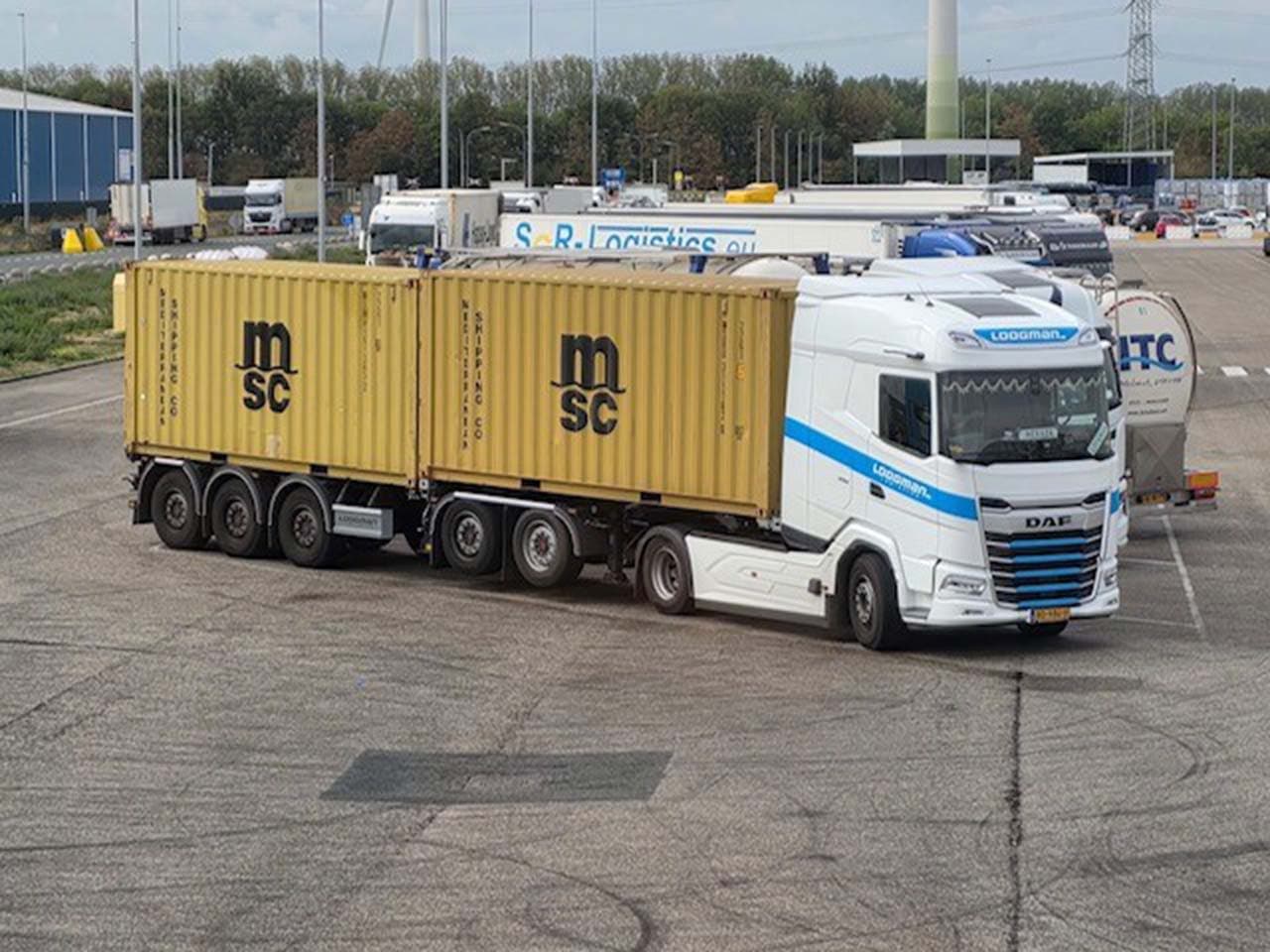
This forces logistics providers to switch from efficient and economical river transport to road haulage, which is generally more expensive. The increased reliance on trucks for fuel distribution directly contributes to higher operational costs, which are then passed on to consumers through elevated fuel prices.
For freight forwarders and operations managers, this development signifies a shift in transport modes for fuel and potentially other bulk commodities reliant on inland waterways. It could lead to increased demand for road freight capacity, especially in regions traditionally served by river barges, potentially affecting lead times and overall transport costs for other goods as well. Forwarders should anticipate potential rate increases for road transport and factor in longer transit times for affected routes.