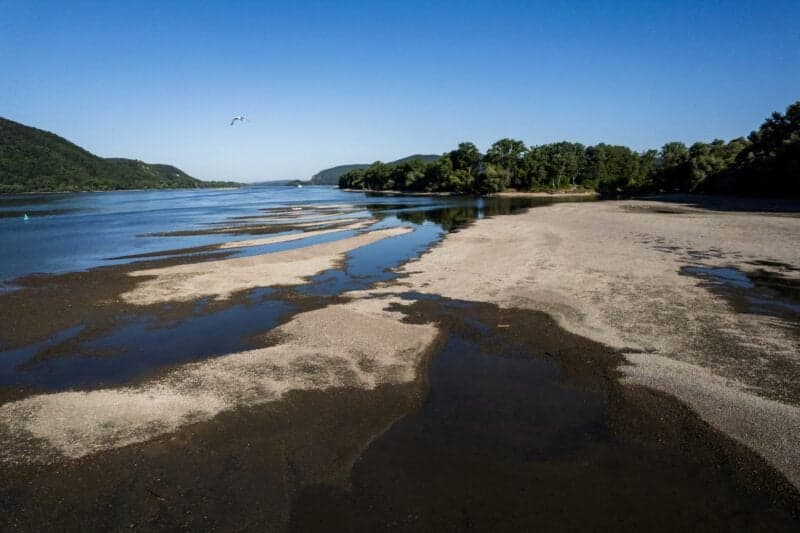
Record-low water levels along the Danube River are severely impacting grain transportation through Romania, a crucial alternative route for Ukrainian agricultural exports. This natural impediment comes at a time when escalating Russian military actions are forcing Ukraine to reroute grain shipments away from its primary Black Sea ports, including Odesa.
Historically, the Danube has served as a vital artery for moving goods, especially agricultural commodities from the Black Sea region to wider European markets. The current drought conditions significantly reduce the carrying capacity of barges, leading to delays and increased operational costs for shippers.
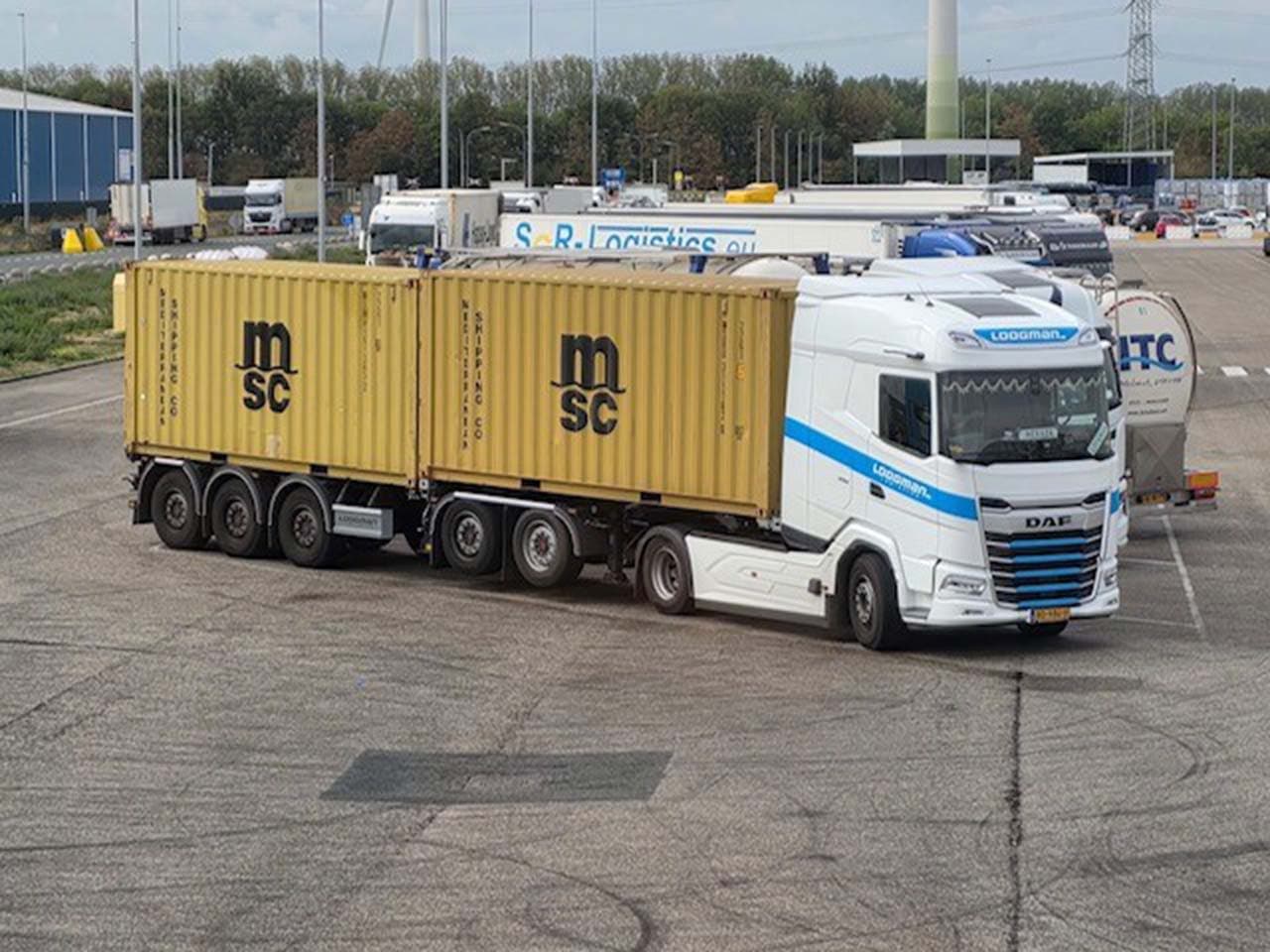
For freight forwarders and logistics managers, this situation implies several challenges. Reduced barge capacity on the Danube will likely lead to higher inland freight rates and longer transit times for grain moving through Romania. Forwarders will need to explore alternative multimodal solutions, potentially involving more rail or road transport, which could further increase costs and complexity. The combined effect of river limitations and geopolitical conflict creates significant uncertainty and pressure on supply chains for Black Sea grain.
Should the low water levels persist or Russian attacks intensify, further disruptions to grain supply chains are anticipated, potentially affecting global food prices and availability.