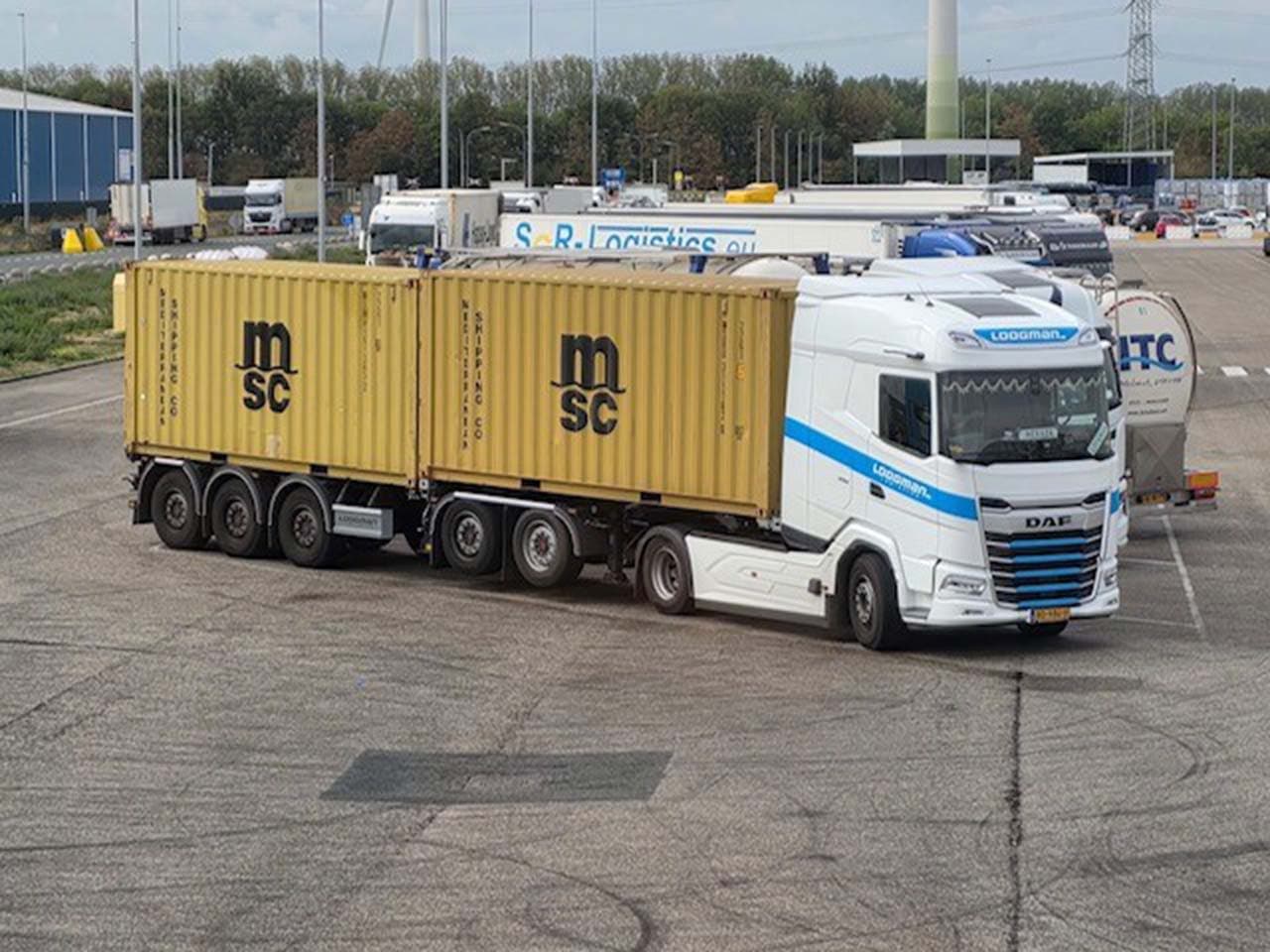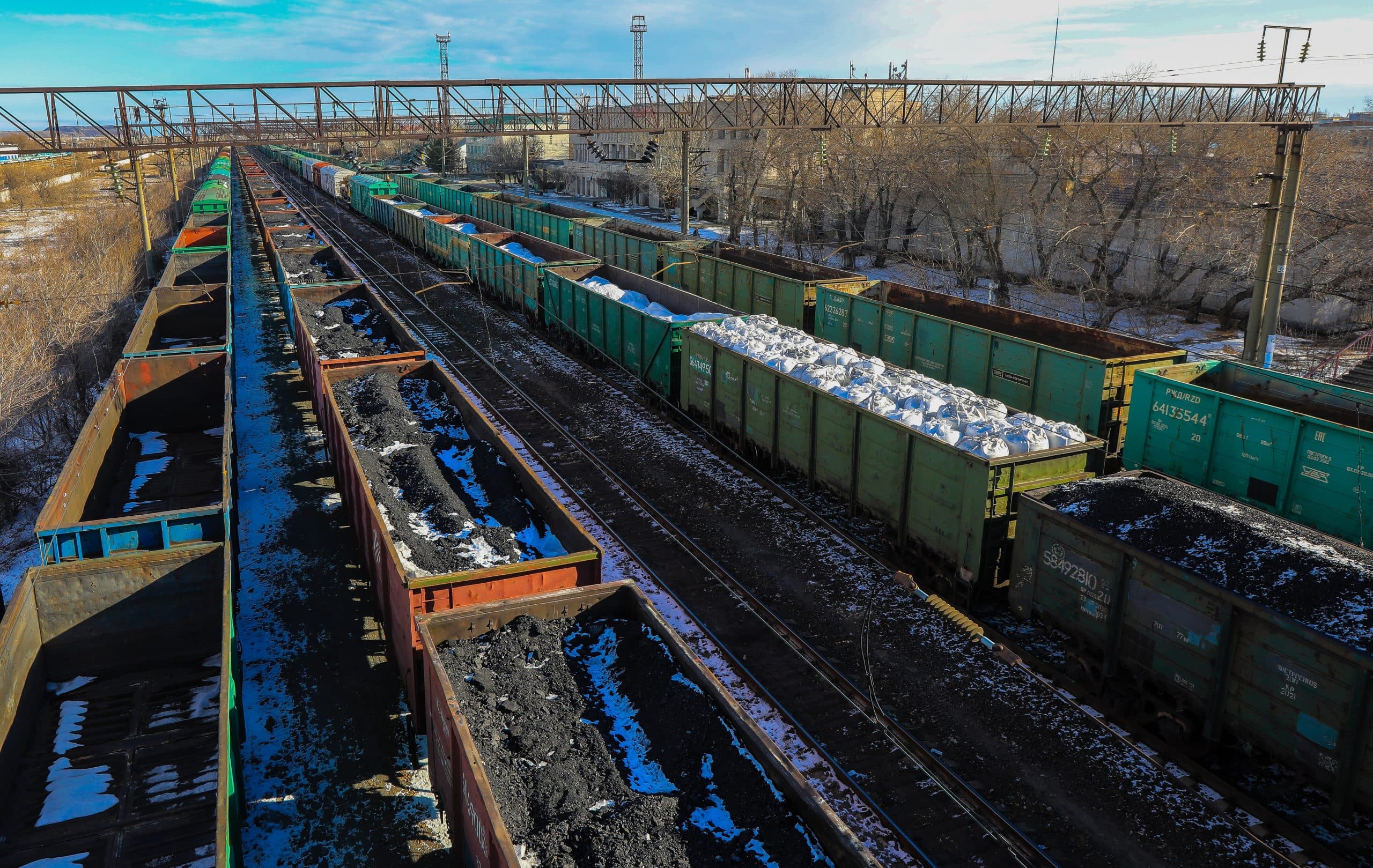
Kazakhstan has recently launched two significant initiatives utilizing the Middle Corridor, marking a strategic move to bolster its trade relations with Europe. These 'firsts' highlight the increasing operational viability and importance of this Eurasian transit route, which bypasses traditional northern routes.
For freight forwarders and logistics professionals, these developments signal potential new avenues for cargo movement between Asia and Europe. Increased utilization and efficiency of the Middle Corridor could offer alternative routing options, potentially reducing transit times and diversifying supply chain risks, especially for shipments originating from or destined for Central Asia. As the corridor gains traction, it may also influence capacity and pricing dynamics on established East-West rail and sea routes.