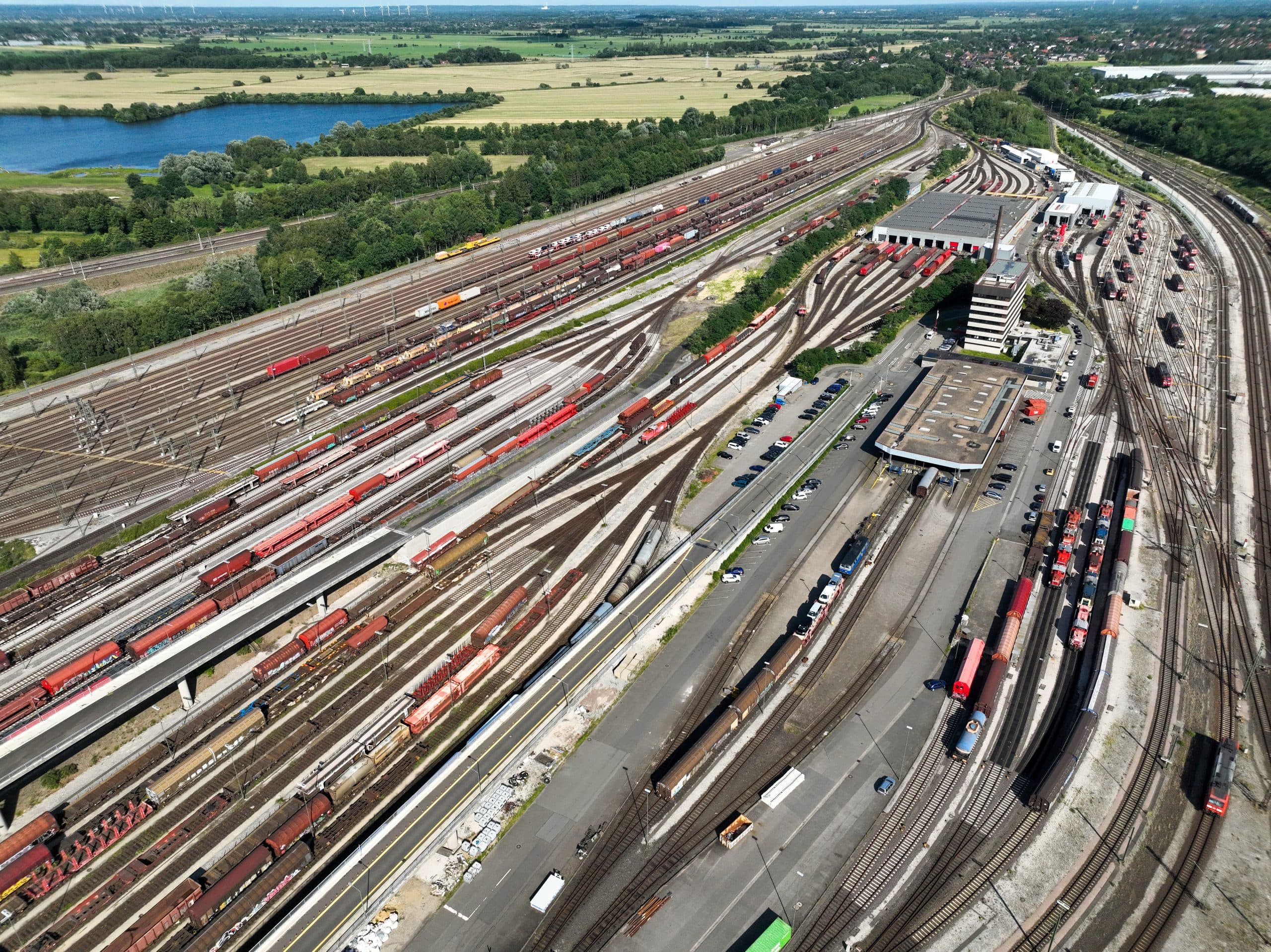
The German Ministry of Transport has announced an additional €84 million in funding for its single wagonload rail freight subsidy program, effective for 2026. This significant financial injection is intended to support and stabilize the single wagonload segment, which is crucial for connecting various industries to the rail network.
The initiative forms part of Germany's broader strategy to encourage a shift of freight traffic from roads to railways. By making single wagonload services more economically attractive, the government aims to reduce road congestion, lower carbon emissions, and improve overall supply chain sustainability.
For freight forwarders and shippers, this subsidy increase could translate into more competitive pricing for single wagonload services. It may also enhance the reliability and availability of rail options for smaller, less-than-trainload shipments, potentially reducing transit times and operational costs compared to road transport for certain routes. This move supports the long-term viability of rail as a core component of multimodal logistics strategies within Germany and potentially for cross-border European movements.
While the immediate impact is on the German domestic market, a stronger single wagonload network could indirectly benefit international freight flows by providing more efficient first and last-mile rail connections.