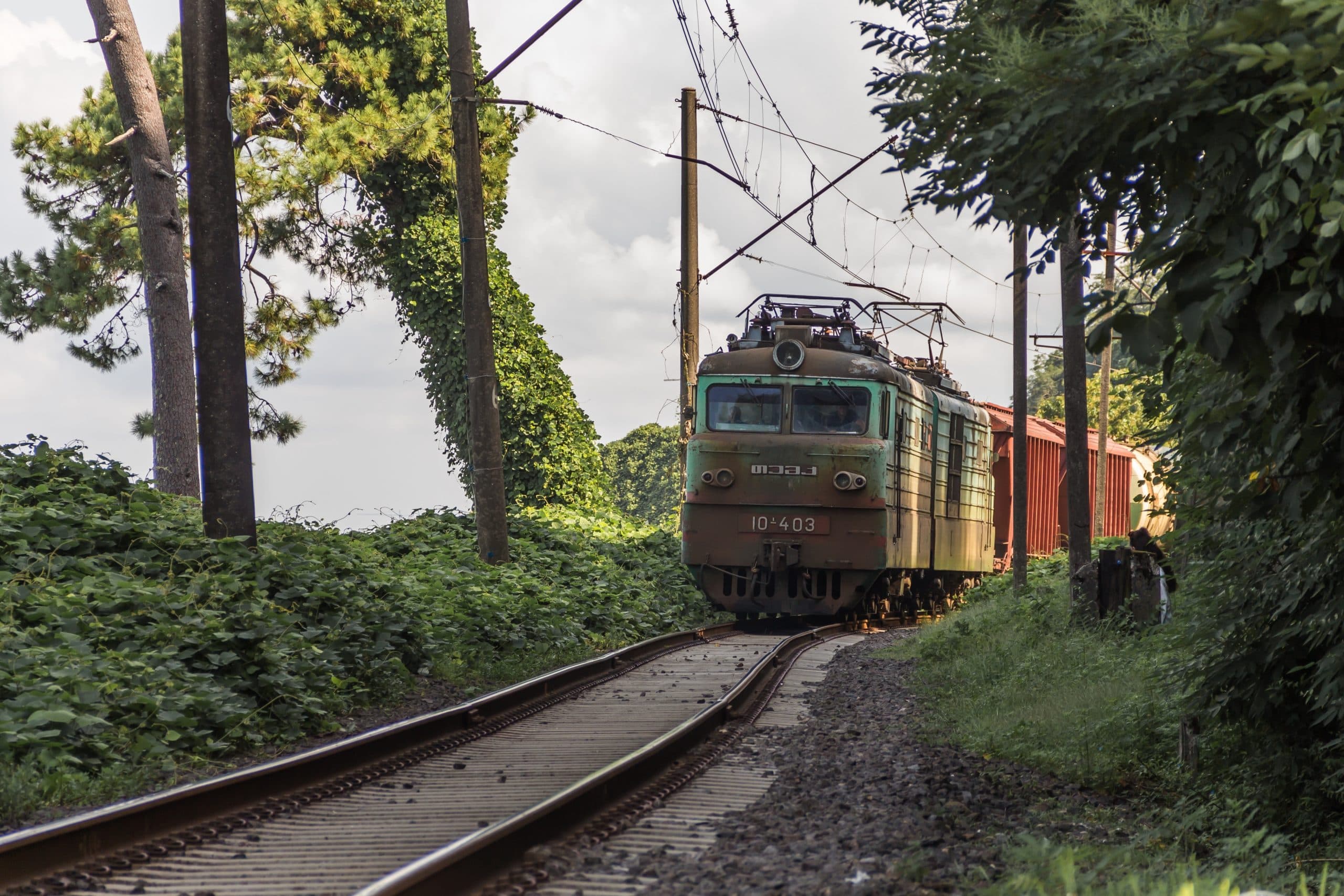
Georgian Railways reported a 20% year-on-year increase in rail freight volumes during the second quarter of 2026. Transit cargo constituted a significant portion of this growth, making up almost 60% of the total 3.9 million tonnes transported. This expansion is primarily attributed to the increasing utilization of the Middle Corridor, also known as the Trans-Caspian International Transport Route (TITR).
The Middle Corridor has gained prominence as an alternative trade route connecting Asia and Europe, particularly in light of geopolitical shifts and disruptions on traditional routes. It bypasses Russia, offering a multimodal path that includes rail segments across Central Asia and the Caucasus, with sea crossings over the Caspian and Black Seas.
For freight forwarders and logistics professionals, this growth in Georgian rail freight signifies enhanced capacity and reliability on the Middle Corridor. It presents a viable and increasingly efficient option for East-West cargo flows, potentially offering diversification from established routes like the Northern Corridor (via Russia) or purely maritime routes. The increased volumes suggest improved operational stability and potentially more competitive pricing for rail services through Georgia, making it an attractive alternative for shippers seeking resilient supply chains. Forwarders should monitor transit times and available slots on this route.
While the article does not specify future plans, the continued growth indicates ongoing investment and development in the Middle Corridor infrastructure, suggesting its role in global logistics will likely expand further.