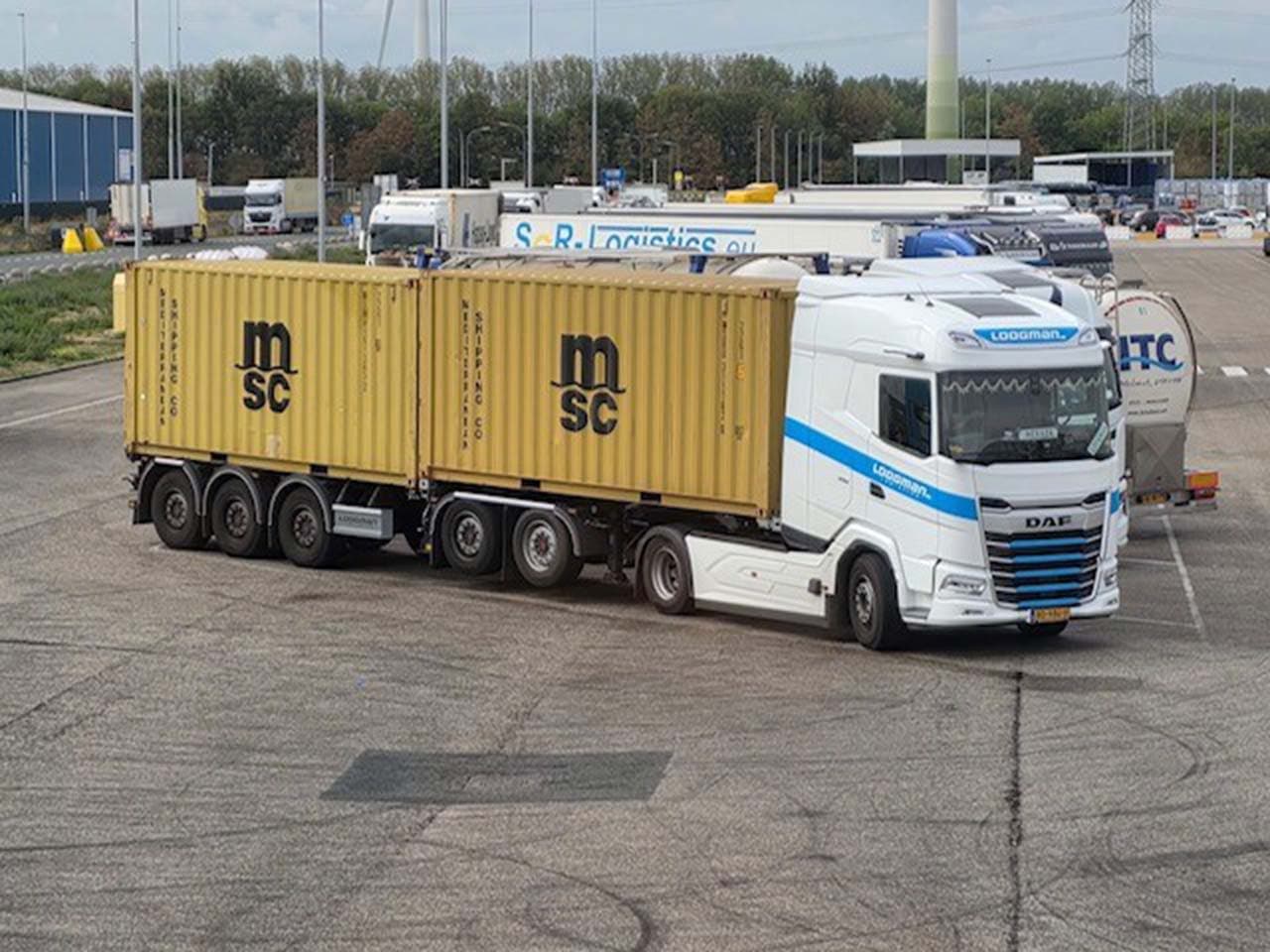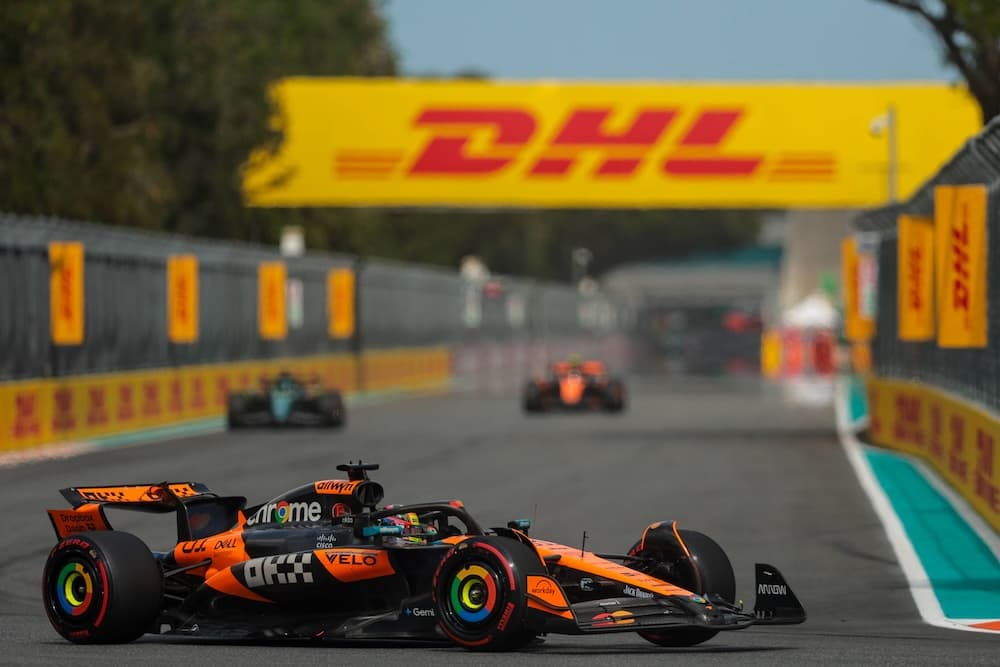
Formula 1's global logistics operation is a highly intricate system that coordinates the movement of race equipment, team personnel, and infrastructure to various venues worldwide. This complex undertaking leverages a combination of airfreight, sea freight, and road transport to ensure all components arrive on schedule, despite the unique challenges presented by each location.
Planning for these movements commences several months before each event. This foresight is crucial for managing the diverse local conditions, varying infrastructure, and customs regulations encountered across different countries. The expansion of the Formula 1 calendar has placed increased demands on this logistics network, particularly impacting airport capacity and the efficiency of customs procedures.
For freight forwarders and operations managers, this highlights the critical importance of multimodal planning, robust contingency strategies, and deep expertise in international customs and regulatory compliance. The tight deadlines and high value of the cargo mean that any disruption in air cargo capacity, port congestion, or road transport bottlenecks could have significant financial and operational consequences. Forwarders handling similar time-sensitive, high-value, and multimodal projects can draw parallels from F1's need for meticulous scheduling and adaptable solutions.