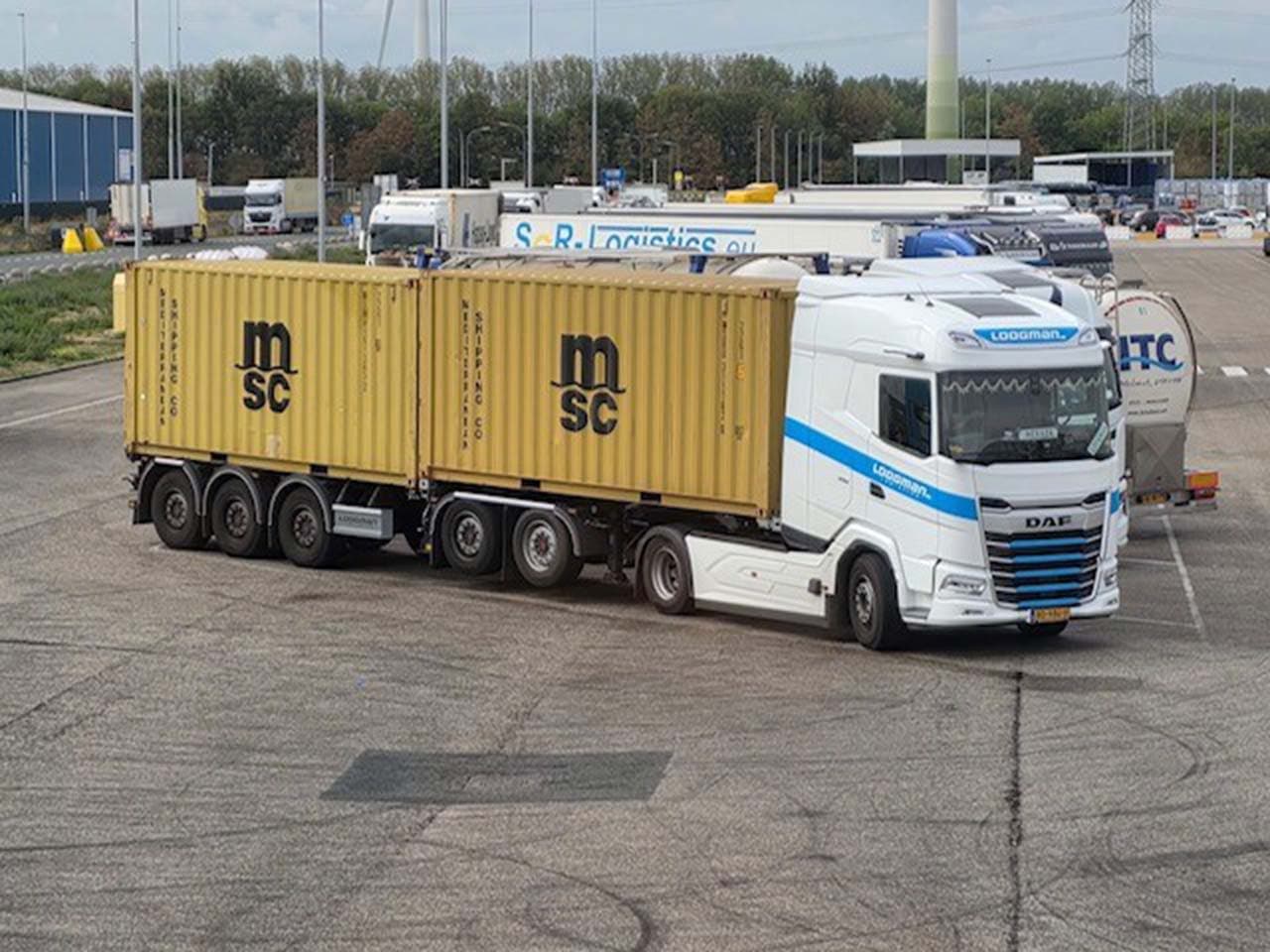
European road freight rates experienced a notable increase during the second quarter of 2026. This surge affected both contract and spot market prices, with the latter showing a more pronounced rise. The primary factor contributing to these higher costs was not a robust increase in transport demand, but rather the significant escalation of fuel and other operational expenses, which carriers are passing on to their customers.
For freight forwarders and operations managers, this development means that budgeting for road transport within Europe will require accounting for higher base rates. The increase, driven by cost-push factors, suggests that even in periods of softer demand, pricing power remains with carriers due to their unavoidable operating expenditures. This could lead to tighter margins for forwarders if they cannot fully pass on these increases to shippers, or necessitate more frequent rate adjustments in contracts. Shippers may face higher overall logistics costs for European road movements, potentially impacting their supply chain budgets and product pricing.