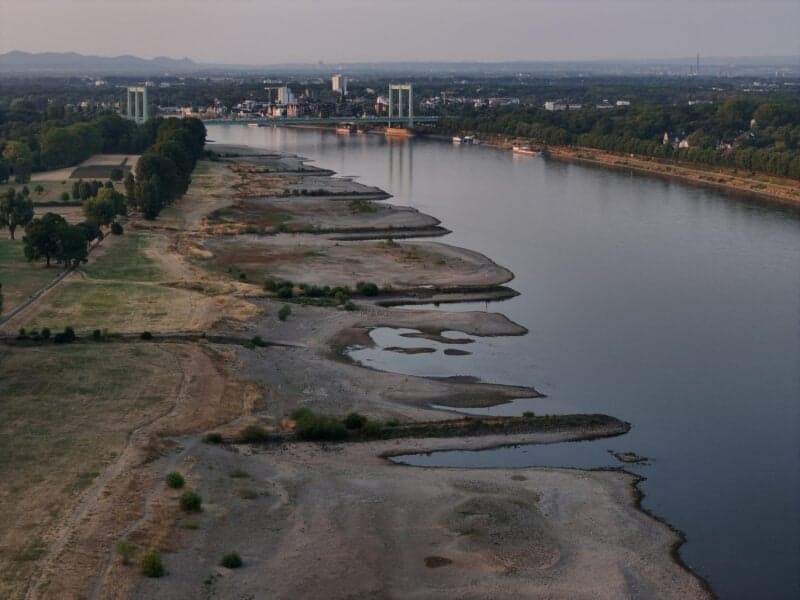
Europe is facing continued challenges with critically low river levels, as initial August rainfall is not projected to be sufficient or widespread enough to provide substantial relief. This situation is prolonging significant restrictions on inland shipping and impacting power supply, with another period of high temperatures potentially exacerbating the issue.
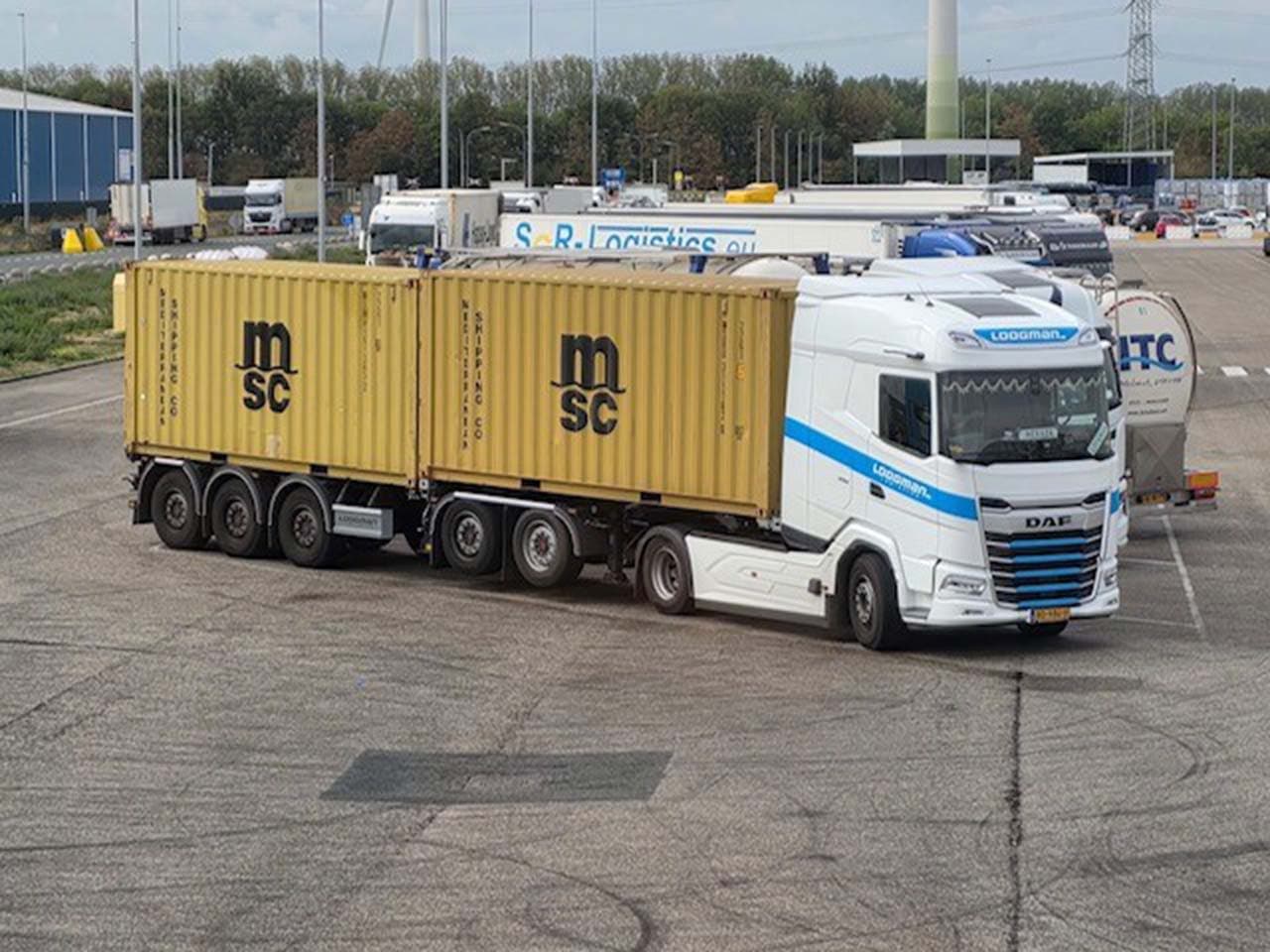
For freight forwarders and operations managers, this means sustained difficulties for cargo movement on key European waterways like the Rhine. Shippers should anticipate continued surcharges, reduced loading capacities for barges, and potential delays or diversions to alternative transport modes, such as road or rail, which may incur higher costs and longer transit times. The impact on industrial supply chains, particularly for bulk commodities and heavy goods reliant on river transport, is expected to persist.
Businesses should prepare for ongoing operational adjustments and consider alternative logistics strategies to mitigate the effects of reduced navigability on Europe's inland waterways.