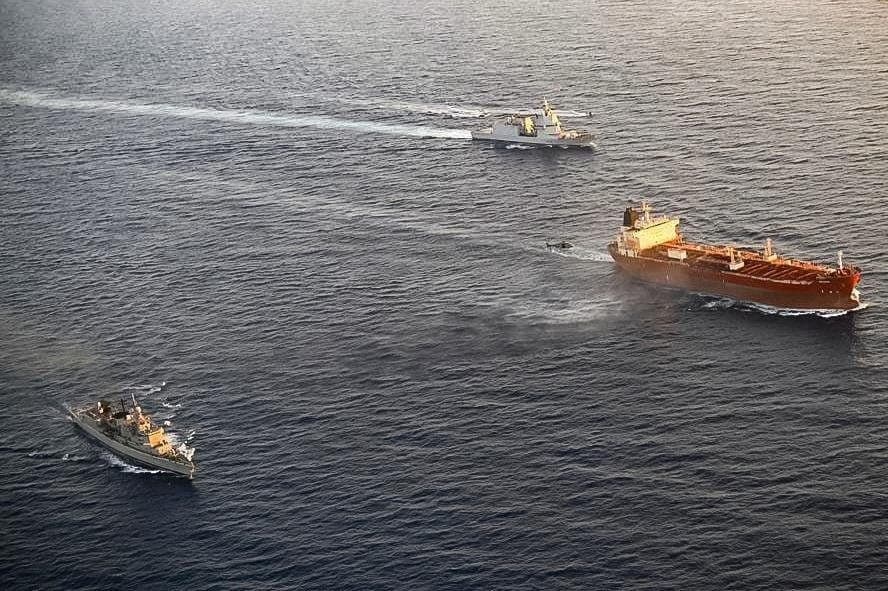
An Italian-led European Union naval mission recently intercepted and boarded a tanker belonging to Russia's 'shadow fleet'. This incident, occurring on a Sunday, represents the second such enforcement action within a fortnight, indicating a significant escalation in Europe's efforts to combat sanction evasion through maritime channels. The 'shadow fleet' refers to a clandestine network of older vessels, often operating with opaque ownership structures and less stringent safety standards, used to transport Russian oil outside the G7 price cap and other sanctions.
For freight forwarders and operations managers, this development highlights increased operational risks in European waters, particularly for vessels with any perceived connection to sanctioned entities or regions. The boarding actions could lead to delays, detentions, and heightened scrutiny for all maritime traffic, potentially impacting schedule reliability and increasing compliance burdens. Forwarders should exercise extreme caution and conduct thorough due diligence on vessel ownership, flag, and cargo origins/destinations to mitigate exposure to sanction violations and operational disruptions. The intensified enforcement could also lead to higher insurance premiums for certain routes or vessel types, reflecting the elevated risk environment.