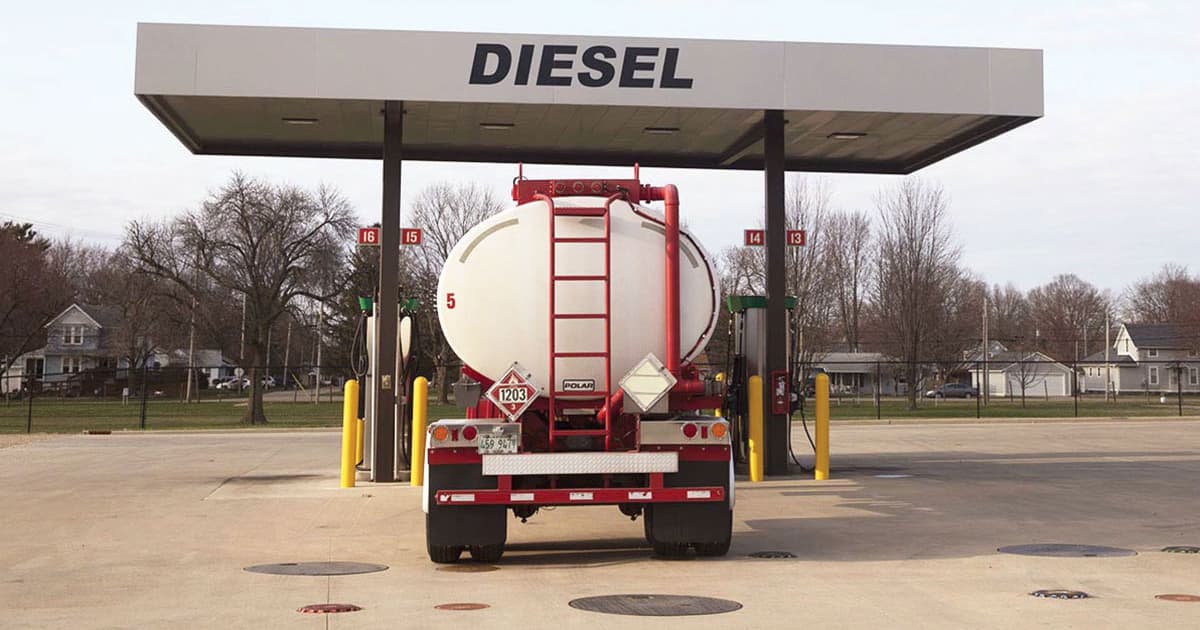
Global diesel supplies are anticipated to face increased pressure as the Northern Hemisphere winter approaches. This tightening is attributed to a confluence of geopolitical and operational factors. Disruptions within the Strait of Hormuz, a critical chokepoint for oil transit, are impeding the flow of refined products. Additionally, refineries in the Persian Gulf have sustained damage, further reducing regional output. A series of Ukrainian attacks targeting Russian processing plants has also constrained export capabilities from Russia, a major fuel supplier.
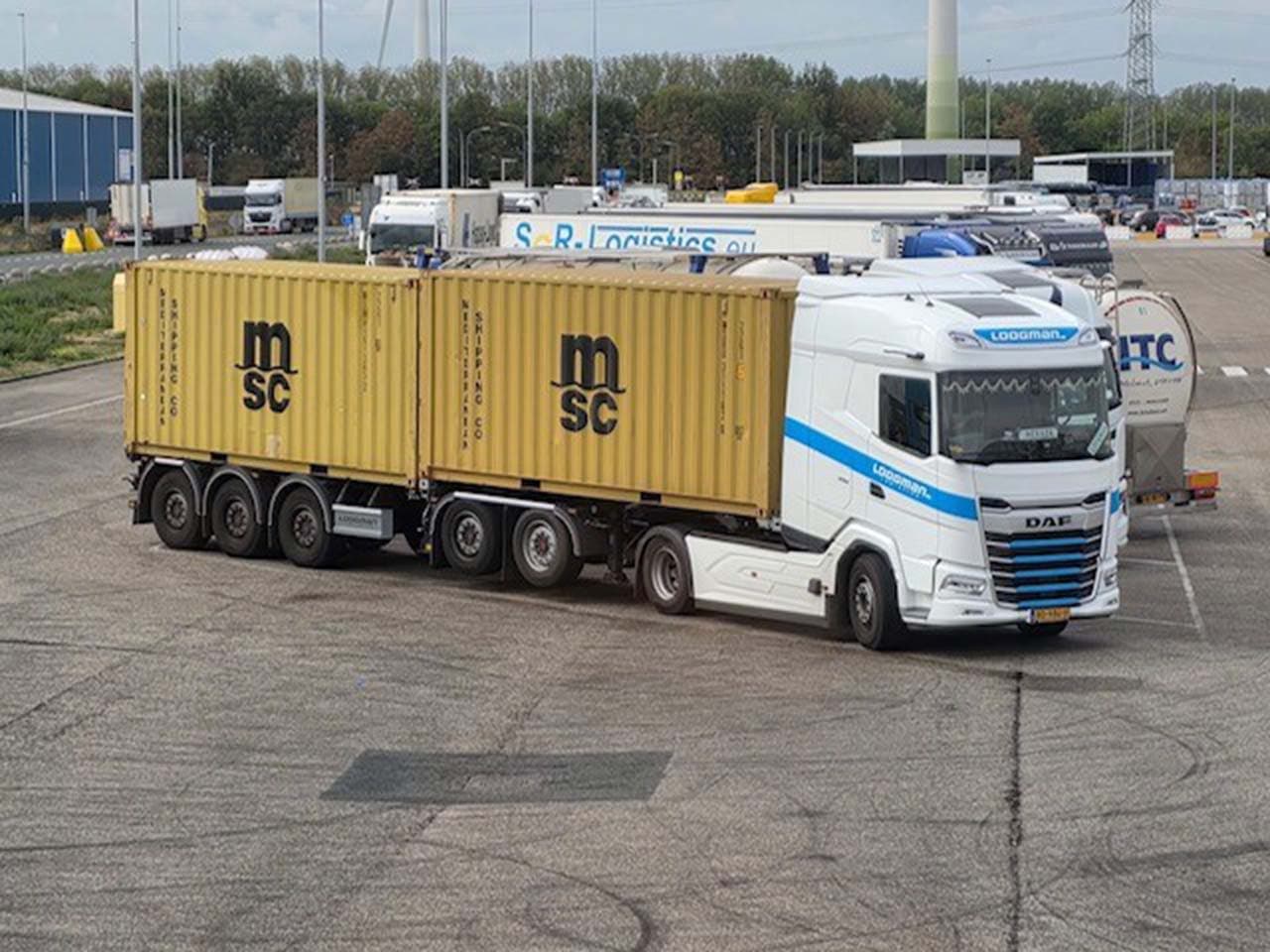
For freight forwarders and logistics operations managers, a worsening diesel squeeze could translate into higher fuel surcharges for road and potentially rail transport. Increased fuel costs will directly impact operational expenses, potentially leading to upward pressure on freight rates. Capacity might also be indirectly affected if carriers face economic pressure from rising fuel costs, though direct capacity reductions are less likely in the short term. Forwarders should monitor fuel price indices closely and communicate potential cost increases to shippers, especially for inland legs of supply chains.