A recent report by the International Energy Agency (IEA) indicates that global sales of electric vehicles (EVs) are set to achieve a new record in 2026. China is expected to retain its prominent role in the manufacturing and distribution of these vehicles. Despite this continued market leadership, the EV sector is anticipated to confront various challenges.
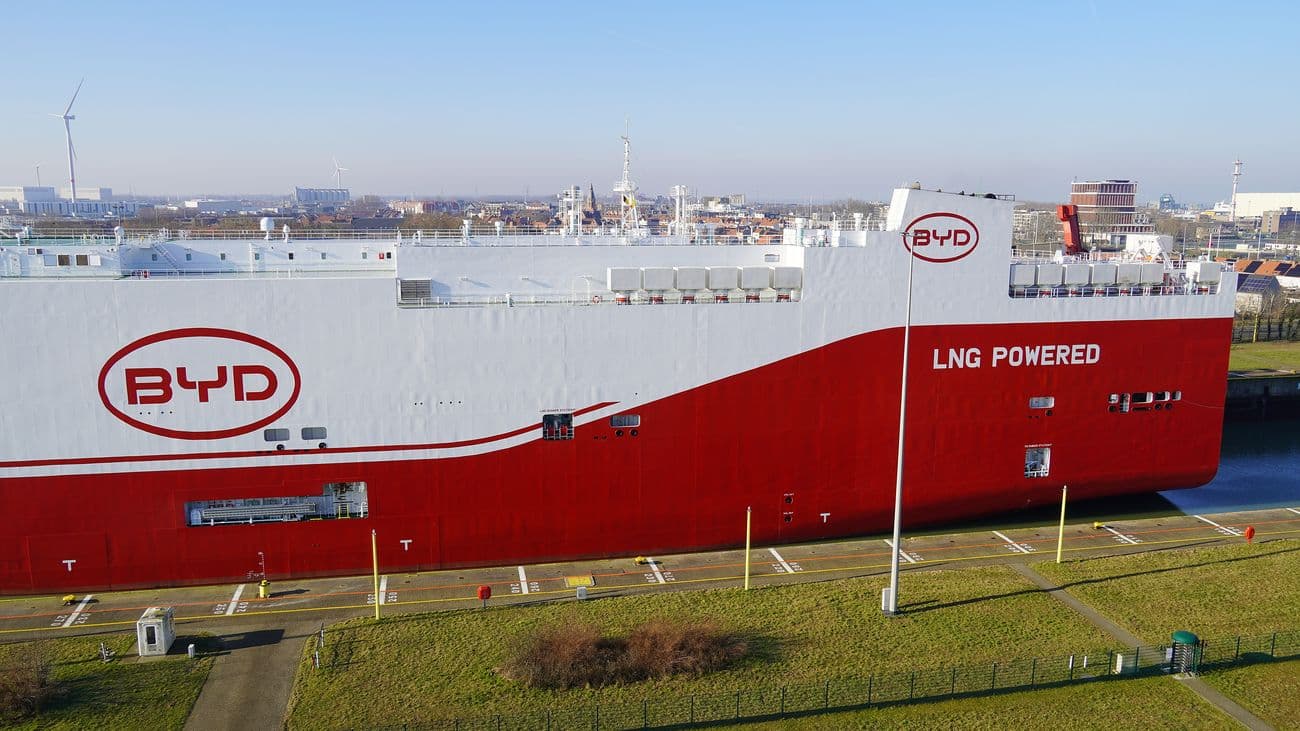
For freight forwarders and logistics operations, these challenges could translate into several impacts. Potential disruptions in the EV supply chain, whether due to raw material availability, manufacturing bottlenecks, or geopolitical factors, might affect the scheduling and routing of components and finished vehicles. Forwarders should monitor market shifts and regulatory changes that could influence trade flows and demand for specialized shipping services, such as roll-on/roll-off (RoRo) for finished vehicles or containerized transport for batteries and parts. Any slowdown or shift in production could also impact vessel capacity utilization on key trade lanes.