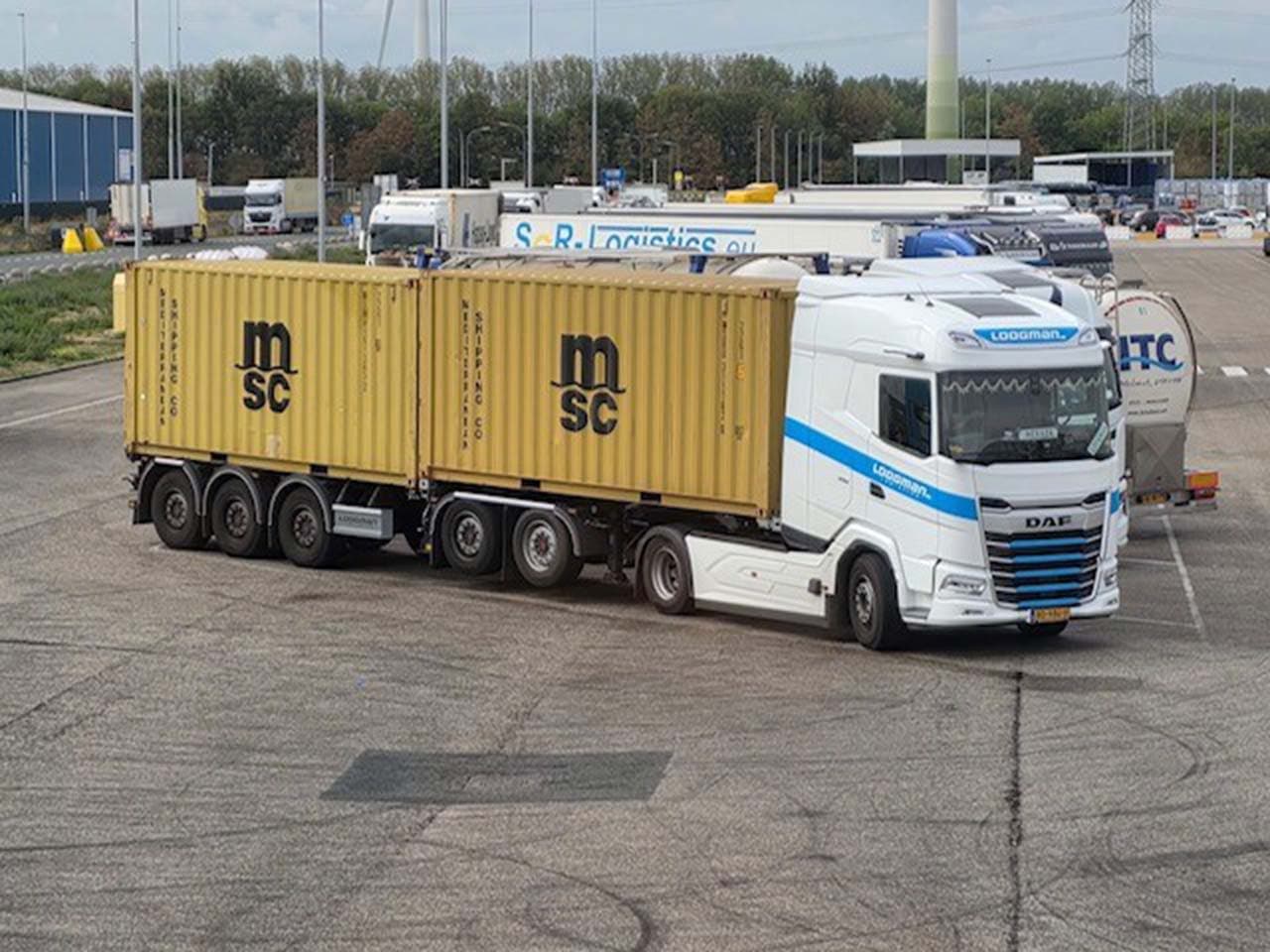
A Rotterdam court has ruled in favor of a road transport company, stating it is not liable for a €166,000 loss incurred by a cashew nut trader due to a sophisticated fraud scheme in France. Two shipments of cashew nuts were delivered to an incorrect address after fraudsters manipulated the delivery instructions.
The court's decision hinged on the fact that while the trucks ultimately unloaded at a different location than specified on the original bills of lading, the drivers followed the instructions they received. This implies that the fraud occurred upstream, likely involving the manipulation of communication channels or documentation before the drivers executed the final delivery.
For freight forwarders and operations managers, this case highlights the critical importance of robust verification procedures for delivery instructions, especially when changes occur mid-transit. It underscores the need for clear communication protocols with carriers and consignees, and potentially the use of secure digital platforms to prevent unauthorized alterations to shipping documents. Forwarders should advise clients to implement strict internal controls to prevent such sophisticated scams, as the liability for such losses can fall on the shipper or consignee if the carrier can prove they acted in good faith based on the instructions provided to them.