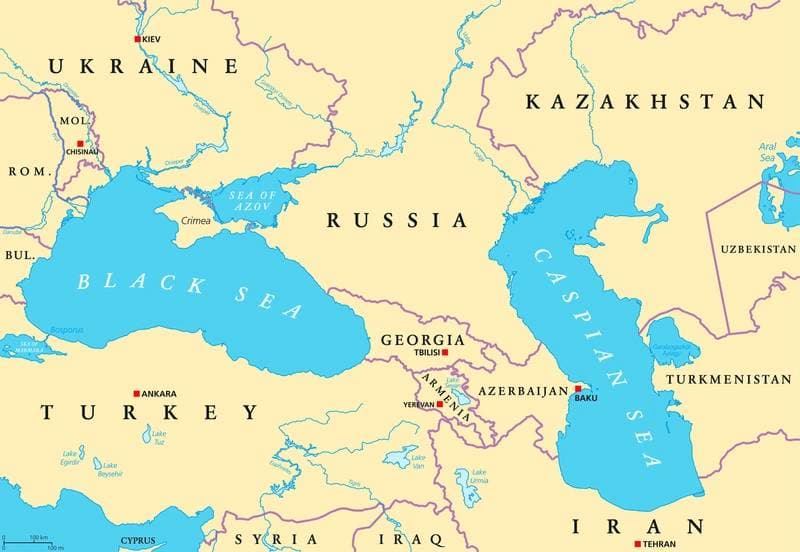
A recent surge in attacks targeting ships, ports, and export terminals within the Black Sea region is significantly disrupting the global supply of essential commodities, particularly grain and oil. This escalation of conflict has transformed the Black Sea into a critical trade chokepoint, adding to existing geopolitical pressures on international logistics.
For freight forwarders and operations managers, this situation implies heightened risks and potential delays for shipments transiting or originating from the Black Sea. Increased war risk premiums for marine insurance are likely, impacting overall freight costs. Capacity might become constrained as some carriers opt to avoid the region or implement stricter security protocols. Forwarders will need to closely monitor geopolitical developments and advise shippers on alternative routing options or contingency plans, especially for agricultural and energy products.
The ongoing conflict in the Black Sea, a vital route for grain shipments and oil exports, continues to pose substantial challenges to global supply chain stability. The situation demands continuous monitoring and adaptive strategies from logistics professionals to mitigate potential disruptions.