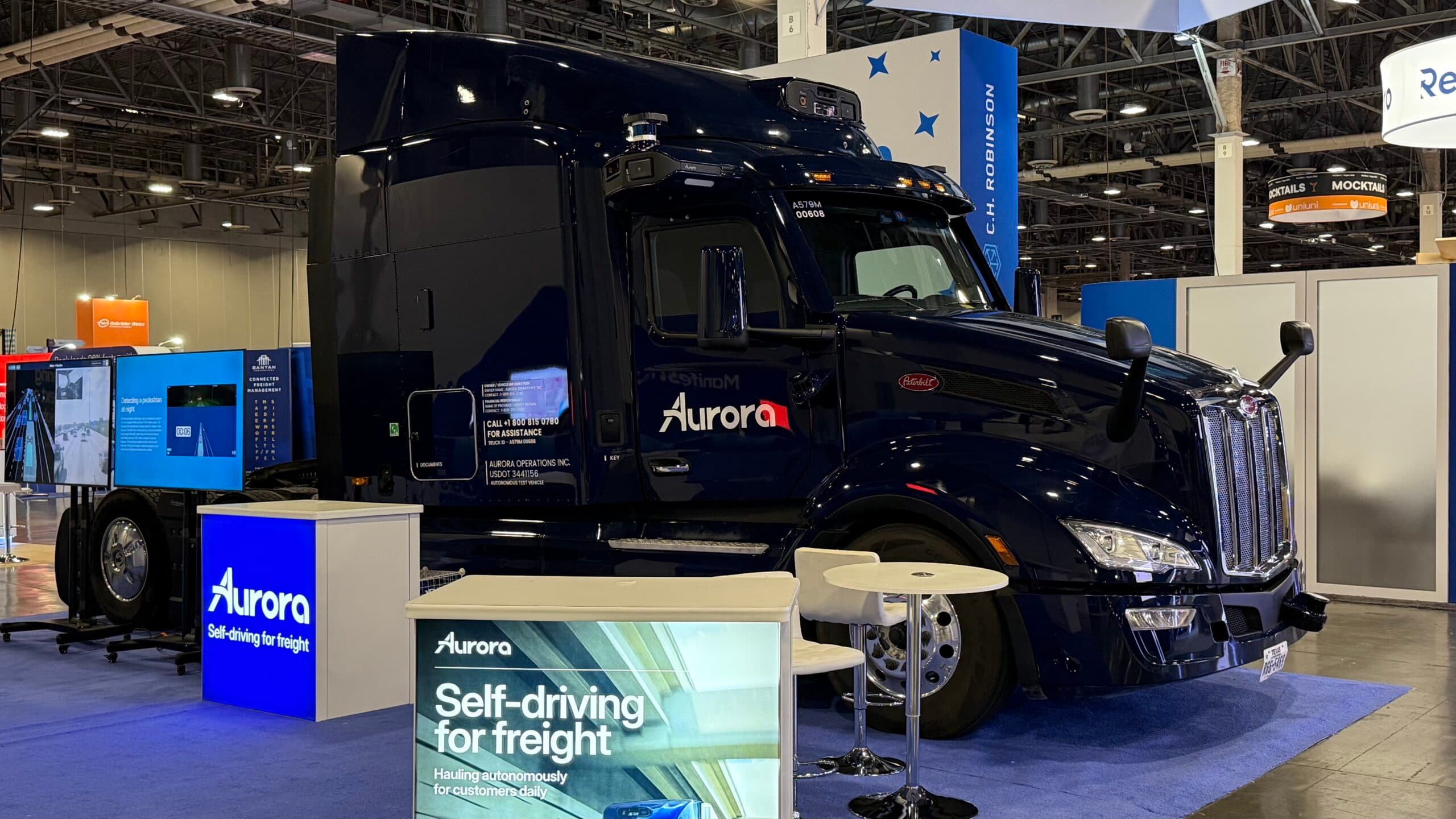
Aurora Innovation announced a second-quarter loss of $270 million. Despite this, the company anticipates achieving an $80 million TaaS (Transportation-as-a-Service) revenue run-rate by the close of the year. Aurora also provided detailed insights into its per-mile revenue structure for its existing and upcoming business approaches.
The company is preparing for a significant transition in 2027, when it plans to move towards a driver-as-a-service model, leveraging its autonomous trucking technology. This strategic shift aims to optimize the deployment and utilization of its self-driving truck fleet.
For freight forwarders and operations managers, this development signals the continued progression of autonomous trucking technology. While widespread adoption is still some years away, Aurora's detailed pricing and revenue projections offer a glimpse into the potential cost structures and operational models for future long-haul logistics. The eventual integration of driverless trucks could impact driver availability, transit times, and potentially reduce operational costs on specific lanes, though regulatory and infrastructure challenges remain.