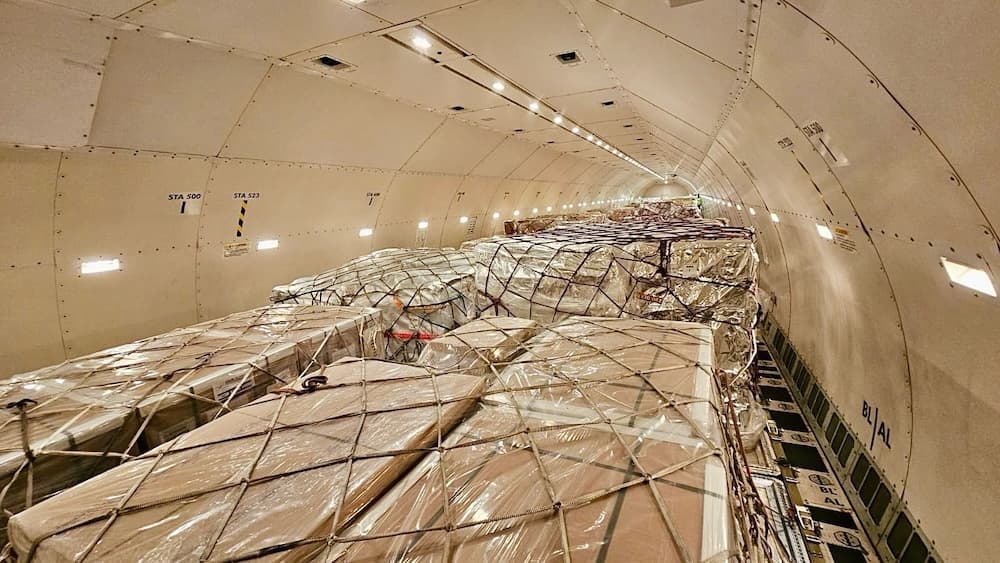
Airlines are re-evaluating their strategy for Unit Load Devices (ULDs), moving beyond mere acquisition cost, weight, and durability to consider the total lifecycle value of these assets. This shift signifies a recognition of ULDs as strategic components within the air cargo ecosystem, directly impacting operational efficiency and network stability.
The industry's renewed focus is on factors such as faster repair times, longer service life, and simpler maintenance procedures for ULDs. By improving these aspects, airlines aim to enhance the overall resilience of their aircraft and cargo networks. This approach is expected to lead to reduced aircraft downtime, lower spare inventory requirements, decreased material consumption, and significant reductions in replacement costs.
For freight forwarders and operations managers, this development could translate into more reliable air cargo capacity and improved schedule integrity. Fewer ULD-related delays mean more predictable transit times and potentially better on-time performance for shipments. Enhanced ULD availability and faster turnaround times could also indirectly contribute to more stable air freight rates by optimizing asset utilization and reducing operational bottlenecks.