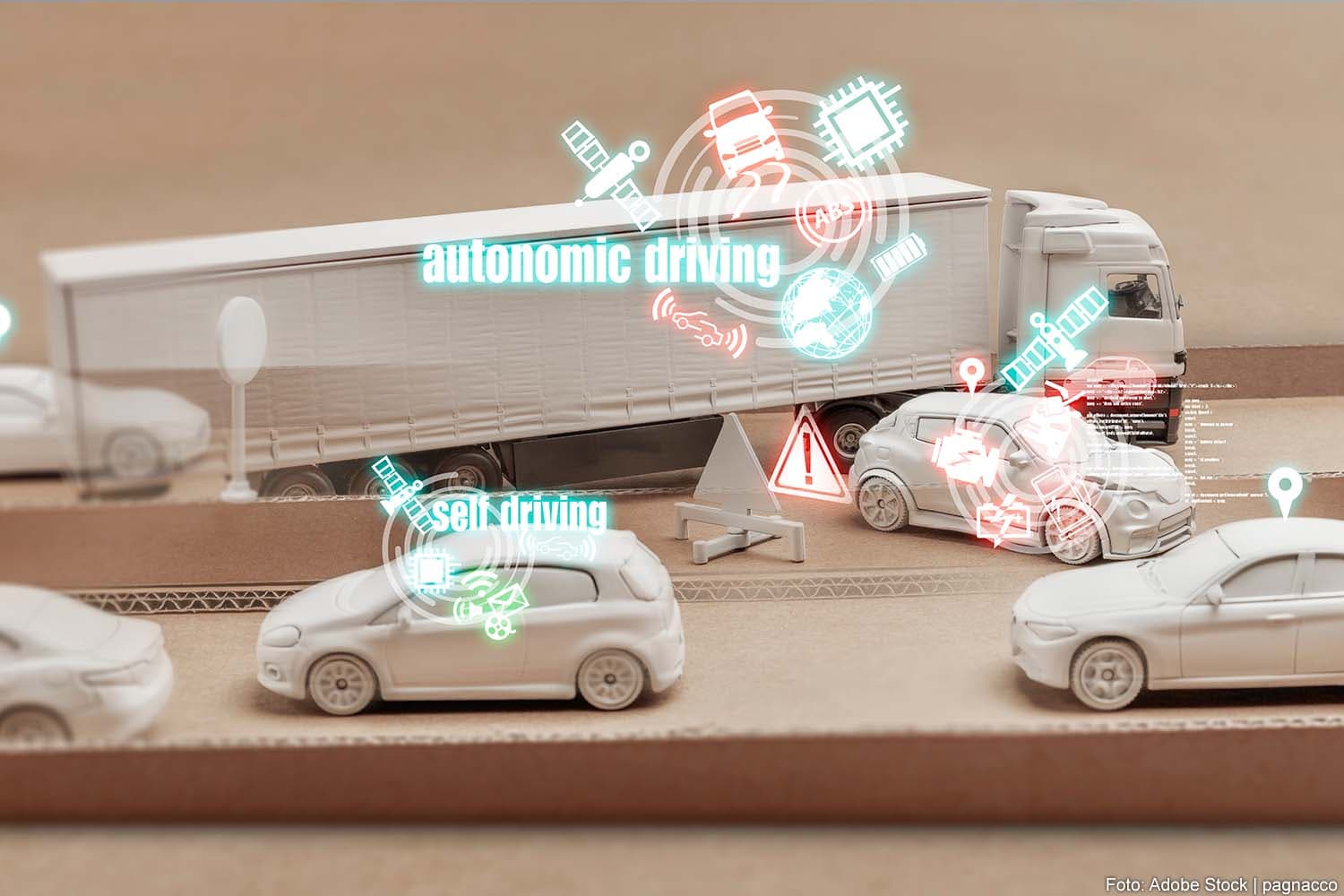
Artificial intelligence (AI) is progressing significantly within the logistics sector, transitioning from merely digitizing transactions to serving as a sophisticated decision-making engine. This evolution enables AI to automate standard operational processes, thereby freeing up human professionals to concentrate on handling exceptions, engaging with customers, and making higher-value commercial decisions.
The foundation for effective AI implementation in logistics is the availability of trusted, structured, and continuously updated data. This data is becoming a critical competitive advantage, as it empowers AI systems to provide reliable recommendations, improve predictive visibility across the supply chain, and ultimately assist logistics providers in optimizing their services.
For freight forwarders and operations managers, this shift implies a future where routine administrative burdens are significantly reduced. AI can streamline tasks such as booking, tracking, and documentation, allowing staff to dedicate more time to strategic planning, problem-solving, and client relationship management. Enhanced predictive visibility, powered by AI, could lead to more accurate ETAs, better capacity planning, and proactive identification of potential disruptions, thereby improving overall supply chain resilience and customer satisfaction. The emphasis on data quality means forwarders must invest in robust data collection and management systems to fully leverage AI's potential.