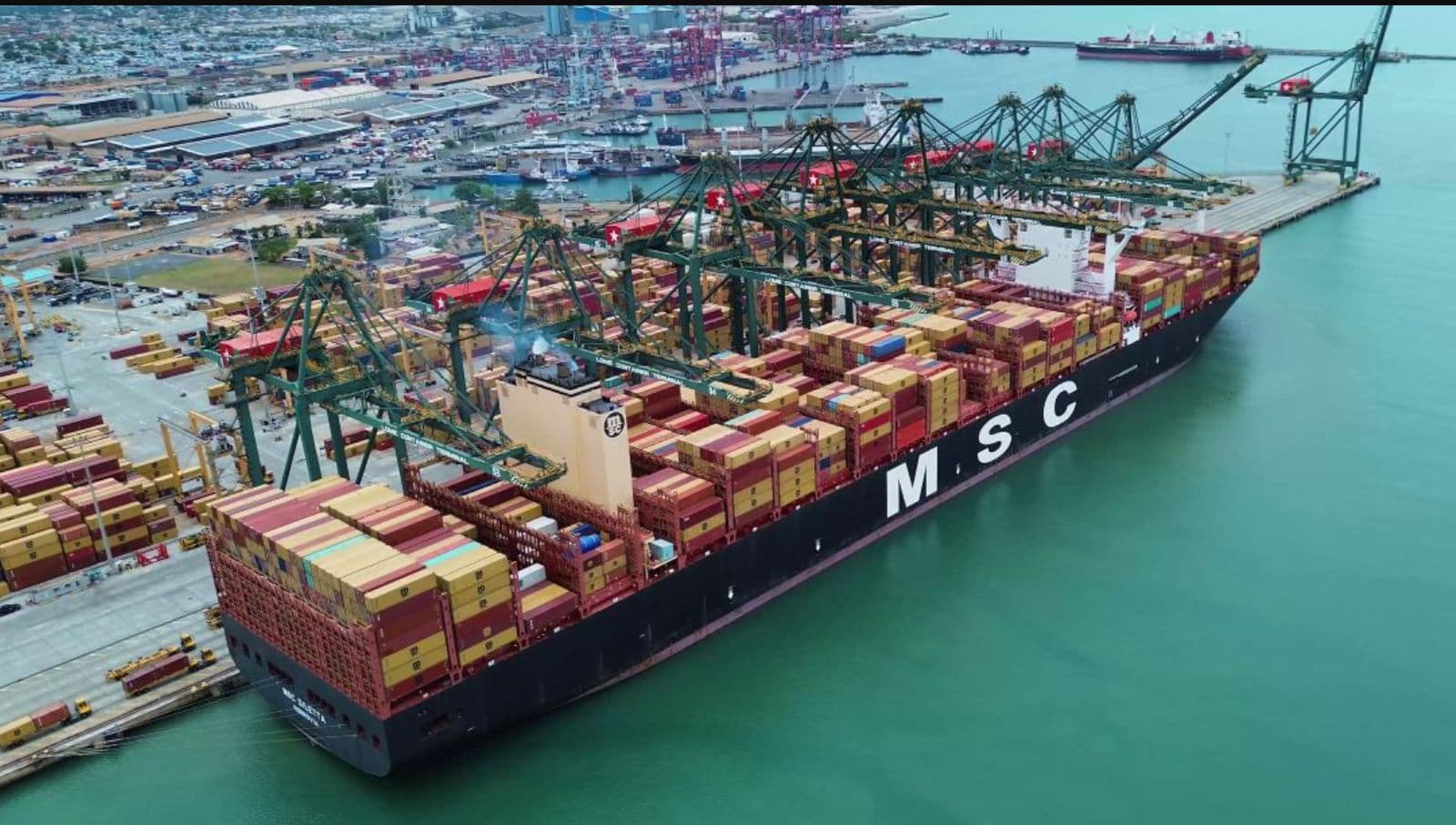
Africa is experiencing a substantial increase in trade, primarily driven by enormous volumes originating from Asia. This surge in cargo, however, is severely straining the continent's existing port and inland logistics infrastructure. The current capacity is proving insufficient to handle the influx, leading to widespread congestion and operational bottlenecks.
For freight forwarders and operations managers, this situation translates into increased transit times, potential delays, and higher operational costs when moving goods to and within Africa. The overwhelmed infrastructure means that planning and execution of shipments require more foresight and flexibility. Forwarders should anticipate potential port congestion, longer dwell times for cargo, and challenges with inland transportation, which could impact delivery schedules and overall supply chain efficiency. This environment may also lead to elevated demurrage and detention charges, as well as increased demand for alternative logistics solutions, potentially driving up rates for certain routes and services.