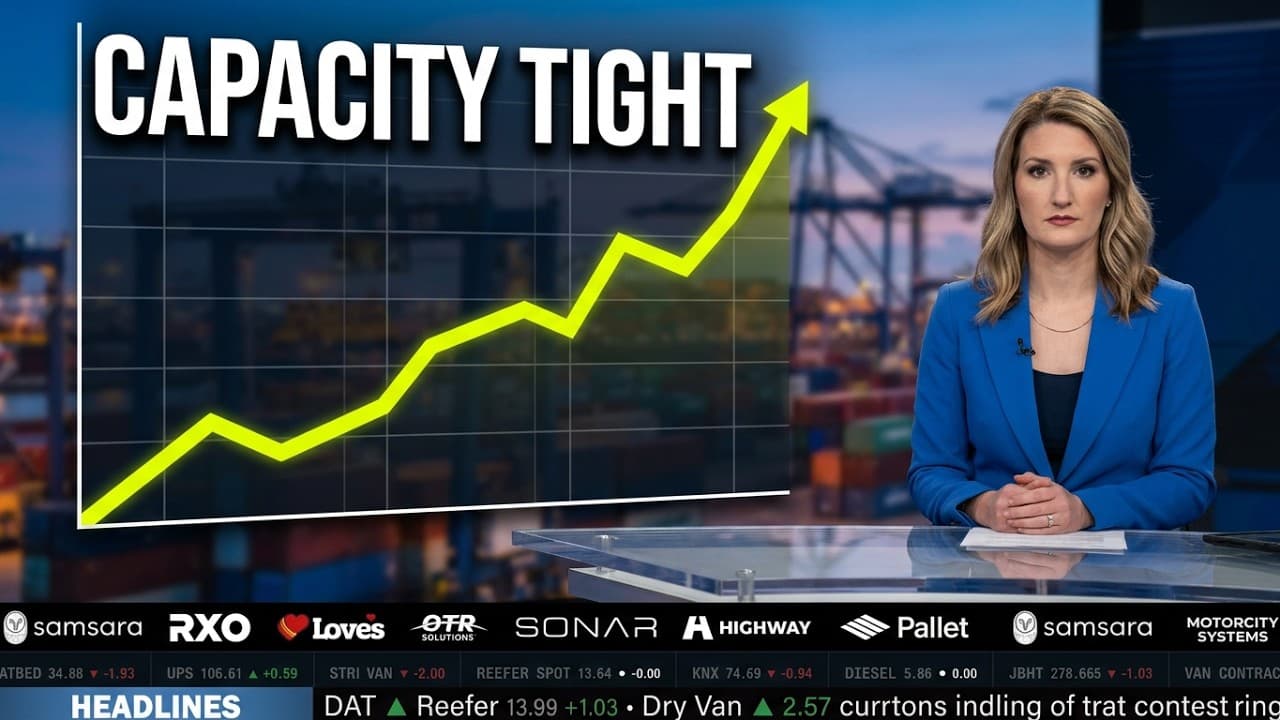
The United States freight market is currently undergoing a significant shift characterized by a sustained tightening of trucking capacity. This trend is not solely a result of changes in freight demand but is largely influenced by growing regulatory pressures on the industry and ongoing challenges in driver recruitment and retention.
Major trucking companies, including Knight-Swift and Werner, have highlighted these factors in their second-quarter earnings reports. The confluence of these issues is creating a more constrained environment for freight movement across the country.
For freight forwarders and operations managers, this sustained capacity tightness means higher spot rates and potentially less flexibility in securing road transport. Shippers may face increased costs and longer lead times for inland movements. Proactive planning and stronger relationships with reliable carriers will become even more critical to mitigate disruptions and manage budgets effectively.