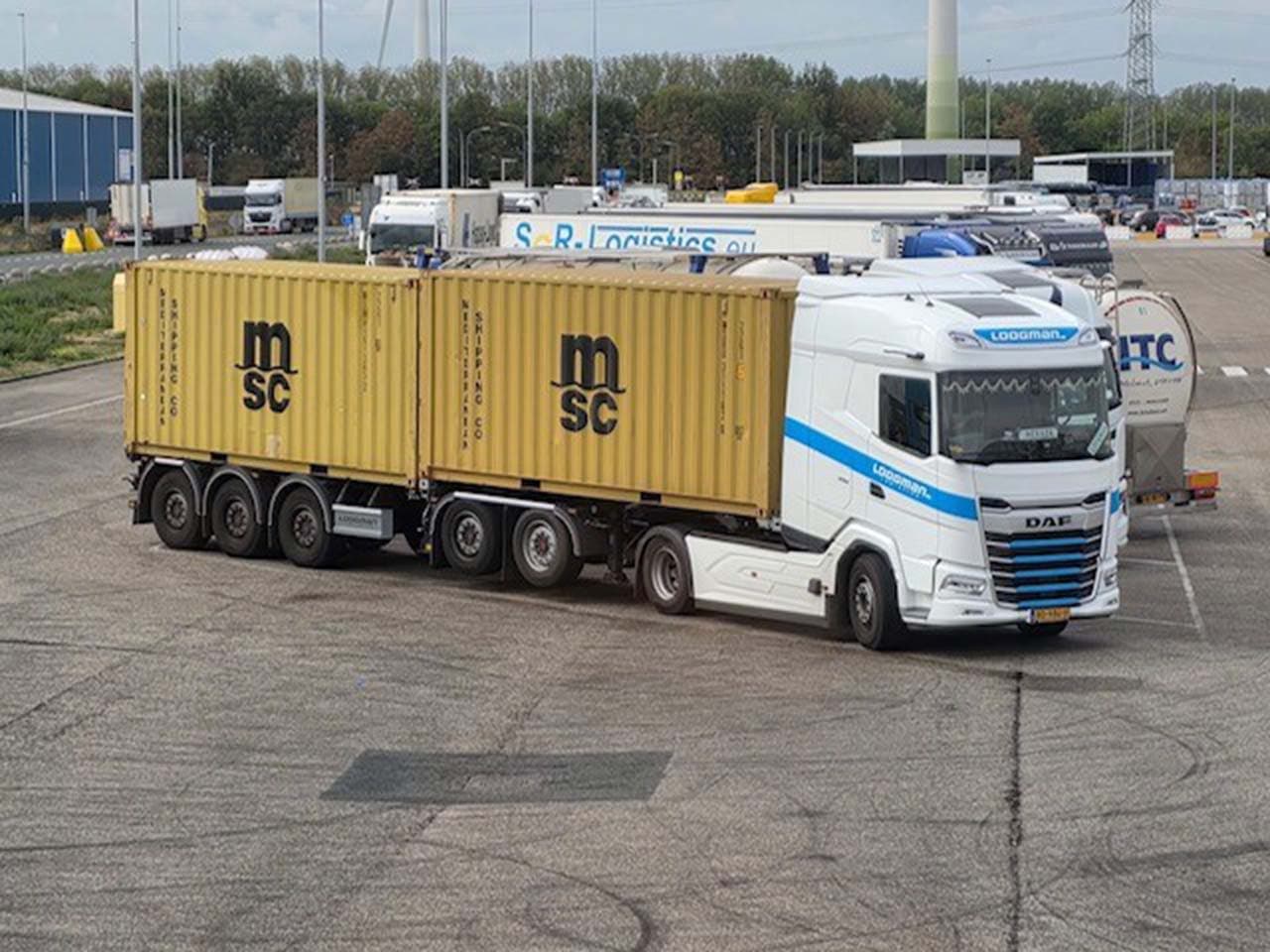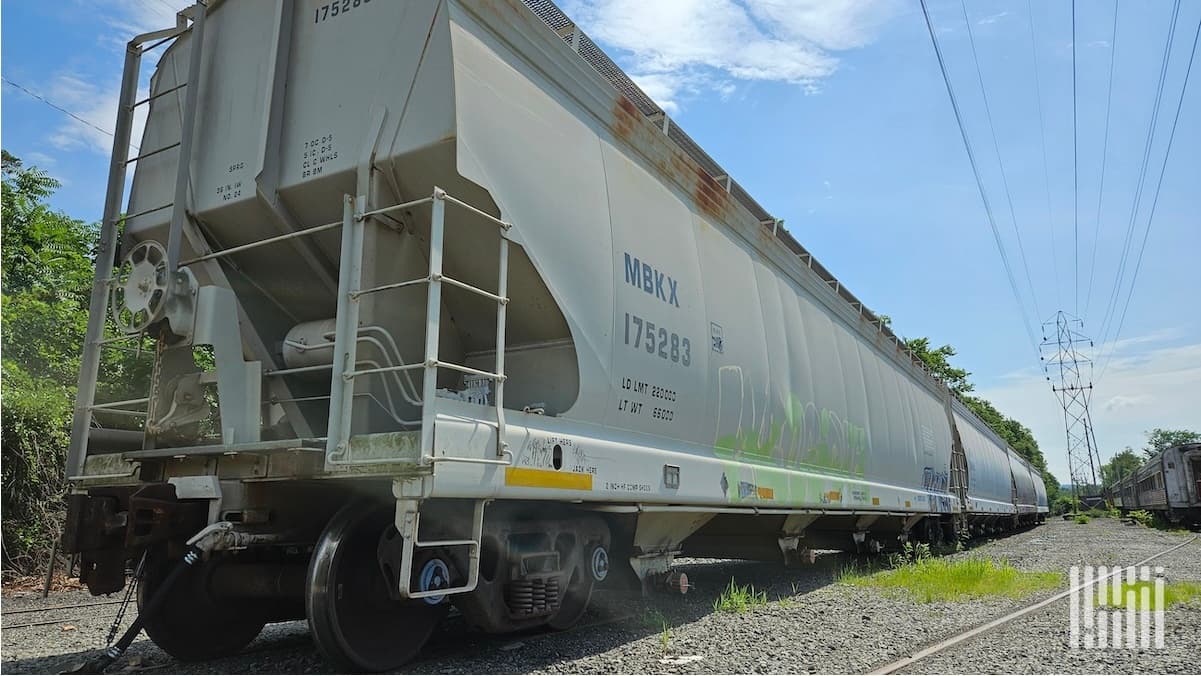
Recent statistics from the United States reveal a notable increase in intermodal rail volumes, covering both containerized and trailer-on-flatcar shipments. This growth suggests a strengthening preference for intermodal solutions in the current freight landscape. In contrast, conventional carload shipments, which involve single railcars, recorded a small downturn.
For freight forwarders and operations managers, this trend highlights the continued importance of intermodal rail as a reliable and potentially cost-effective option for domestic long-haul movements. Increased intermodal activity could lead to better capacity and more frequent service offerings on key lanes, while a slight dip in carloads might free up some rail network capacity for intermodal operations. Forwarders should monitor these trends to optimize routing decisions and leverage intermodal services for improved transit times and competitive pricing, particularly for cargo suitable for containerization or trailer transport.