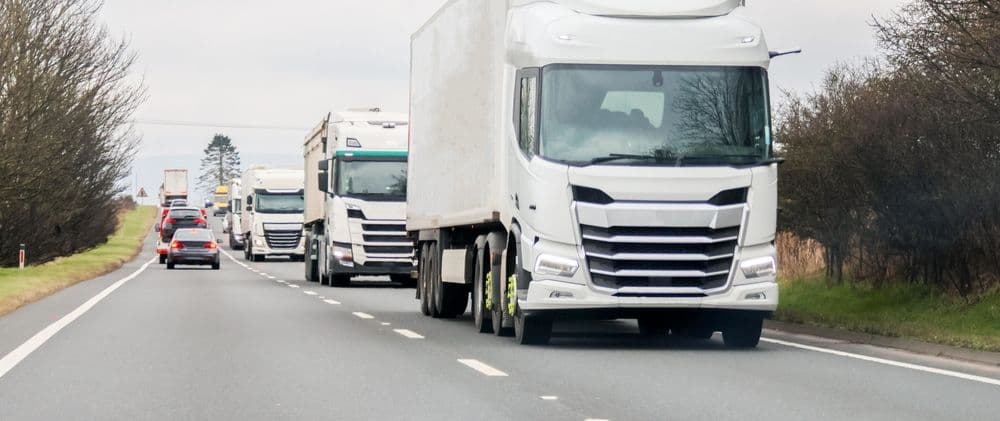
The logistics industry in the United Kingdom is struggling to advance its decarbonization initiatives, according to industry leaders. Key obstacles include the substantial initial investment required for adopting alternative fuels and electric trucks. Furthermore, the existing infrastructure for supporting these green technologies, such as charging stations for electric vehicles, remains inadequate.
Another significant hurdle is the reluctance of customers to absorb the additional costs associated with sustainable logistics solutions. This makes it challenging for logistics providers to justify the higher operational expenses of eco-friendly options, as they cannot easily pass these 'green premiums' onto their clients.
For freight forwarders and operations managers, this situation implies continued reliance on conventional, carbon-intensive transport modes in the UK. The slow pace of decarbonization means that opportunities for offering greener supply chain solutions may be limited, and the pressure to reduce emissions will likely increase without adequate financial support or infrastructure development. Forwarders might find it difficult to meet client sustainability targets if the underlying logistics infrastructure does not evolve rapidly enough.
Without policy interventions or significant technological cost reductions, the UK logistics sector will likely continue to lag in its environmental commitments, impacting overall supply chain sustainability.