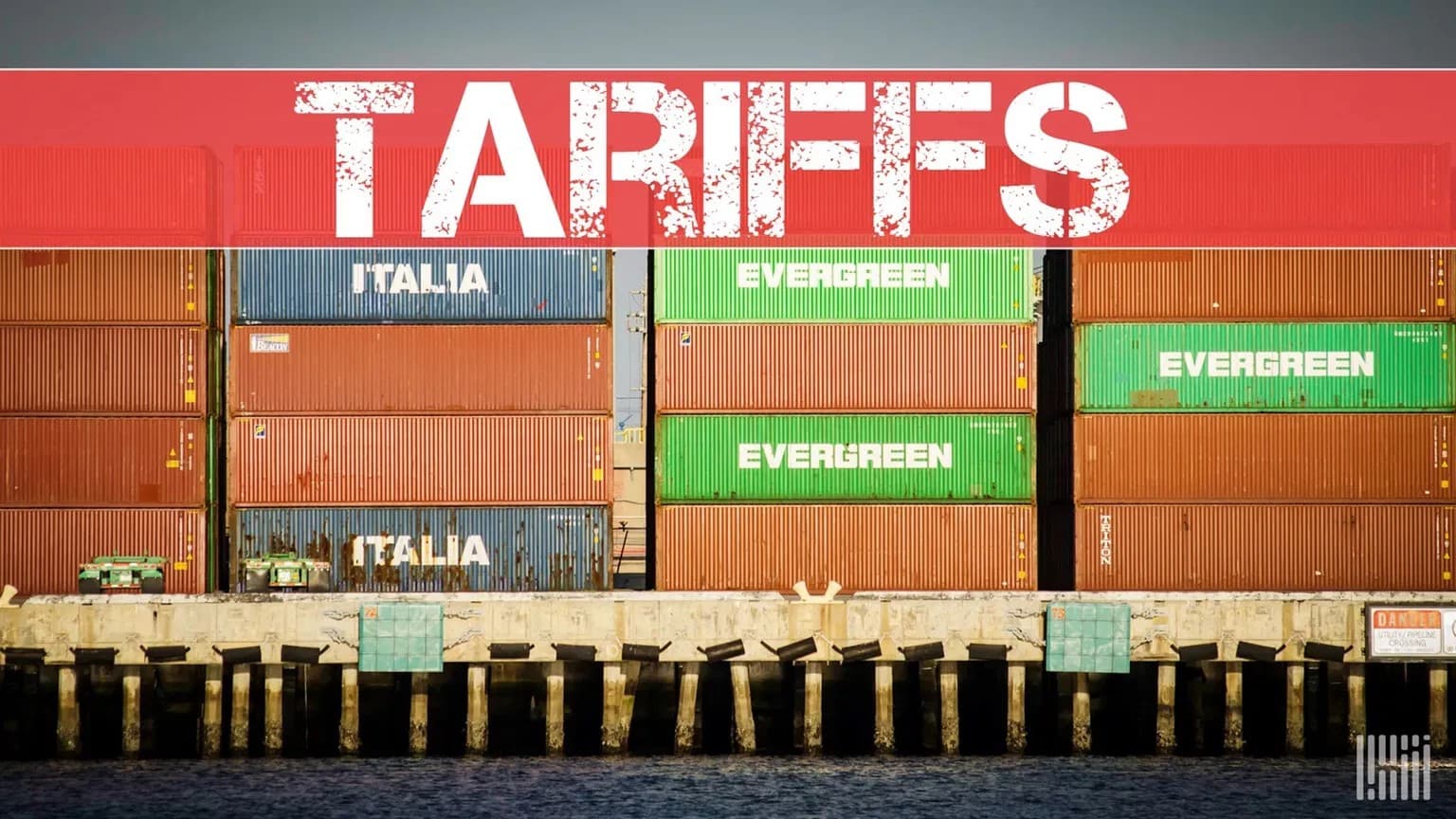
The Trump administration has announced intentions to impose considerable tariffs on generic pharmaceuticals. This policy targets a global supply chain known for its intricate and widespread network, involving numerous countries in the manufacturing and distribution of active pharmaceutical ingredients (APIs) and finished drug products.
For freight forwarders and logistics professionals, these potential tariffs introduce significant challenges. The increased cost of imported generic drugs due to tariffs could lead to higher prices for consumers and potentially shift sourcing strategies. Forwarders may need to navigate new customs procedures and manage altered trade flows, possibly leading to increased demand for domestic or nearshored production and distribution. This could also affect inventory management and lead times for pharmaceutical shipments, which often require specialized handling and cold chain logistics.
The proposed tariffs could prompt a re-evaluation of current supply chain designs, encouraging diversification away from heavily tariffed regions or a move towards more localized production. This would necessitate adjustments in transportation routes, warehousing, and regulatory compliance for companies involved in pharmaceutical logistics.