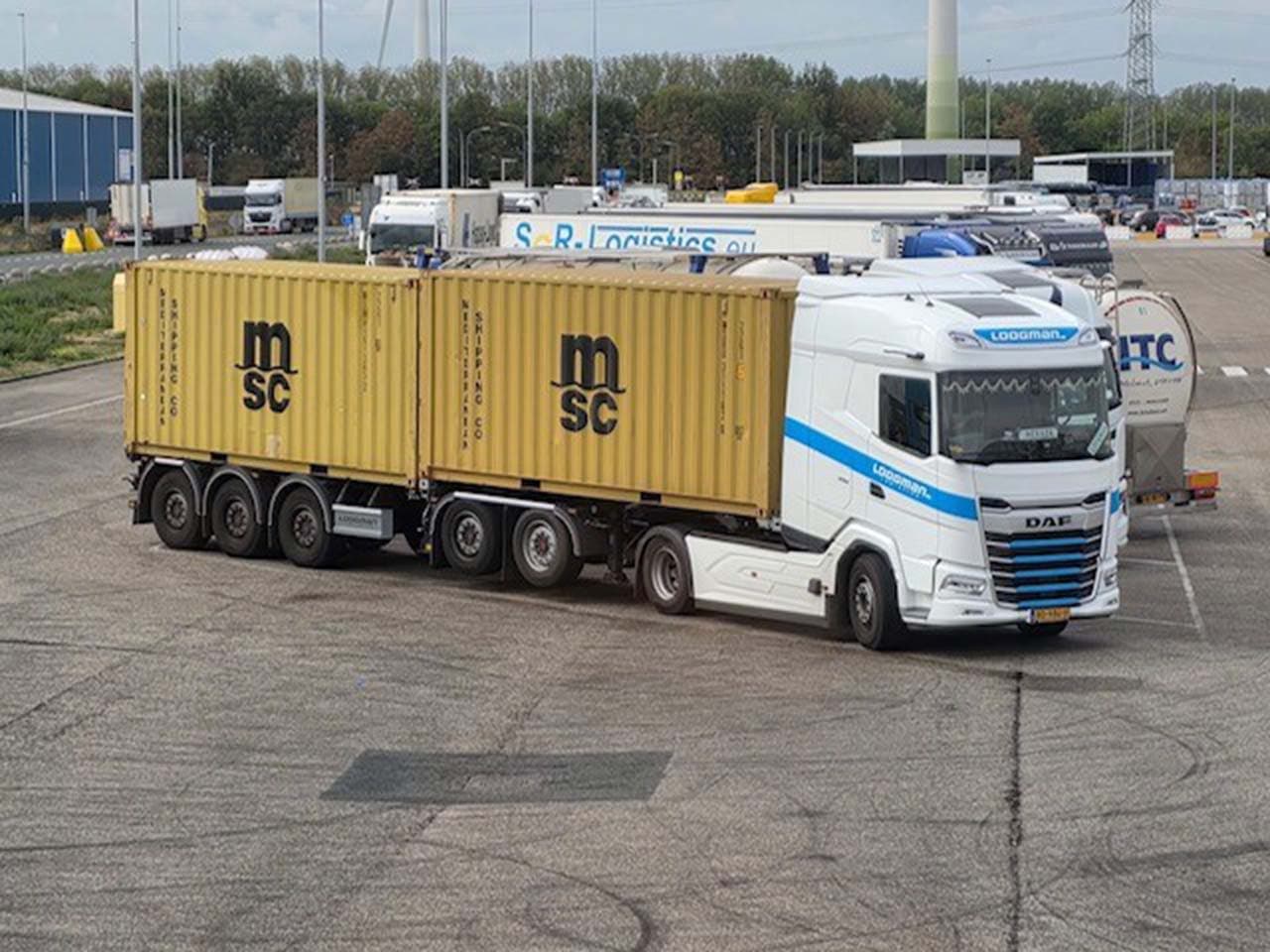
The road freight sector is currently facing a substantial contraction in available trucking capacity. This reduction is primarily attributed to a sustained period of economic downturn, often referred to as a "freight recession," which has impacted demand. Concurrently, logistics companies are grappling with rapidly increasing liability costs, adding further pressure to their operational budgets.
For freight forwarders and operations managers, this tightening capacity translates directly into potential challenges in securing timely and cost-effective road transport. Shippers may experience longer lead times and higher rates for truckload and less-than-truckload services. The market dynamics necessitate a more proactive approach to booking and managing inland transportation. Establishing strong relationships with reliable carriers and leveraging advanced planning tools will be crucial for maintaining supply chain fluidity.
To navigate these difficulties, industry experts suggest that logistics providers must prioritize exceptional service quality and forge strategic partnerships. These measures are seen as key to standing out and ensuring operational resilience in a market where available trucks are becoming scarcer and more expensive to operate.