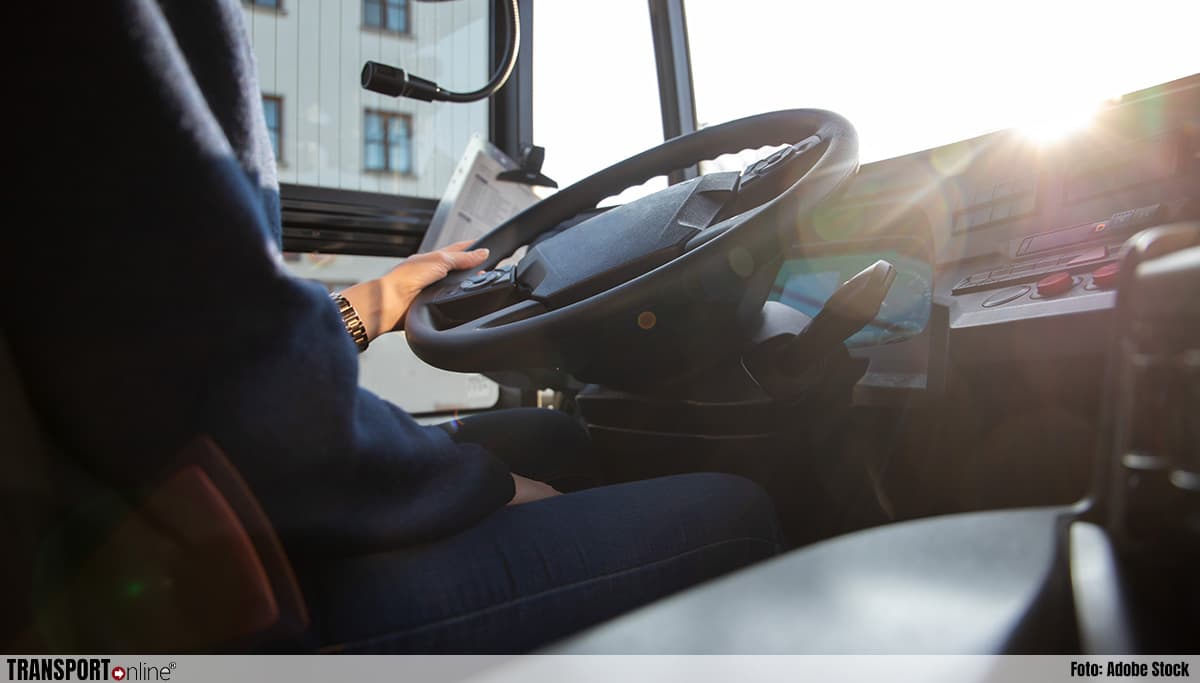
A recent investigation conducted by the European Transport Workers' Federation (ETF) has brought to light that a significant majority, 71%, of women employed within the European transport industry encounter some form of violence, intimidation, or other inappropriate conduct during their professional duties. This figure represents an increase from 63% recorded in a similar survey in 2017, suggesting a concerning deterioration in workplace conditions for women in this sector.
For freight forwarders and operations managers, this data highlights potential challenges related to workforce retention and recruitment, particularly for roles involving direct interaction or solitary work. A hostile work environment can lead to higher turnover rates and difficulty attracting new talent, especially women, into an already male-dominated industry. This could impact operational efficiency and the availability of skilled labor across various transport modes.
The findings underscore the urgent need for transport companies to implement and enforce robust policies against harassment and violence, foster inclusive work cultures, and provide adequate support mechanisms for affected employees. Addressing these issues is crucial not only for ethical reasons but also for maintaining a stable and productive workforce.