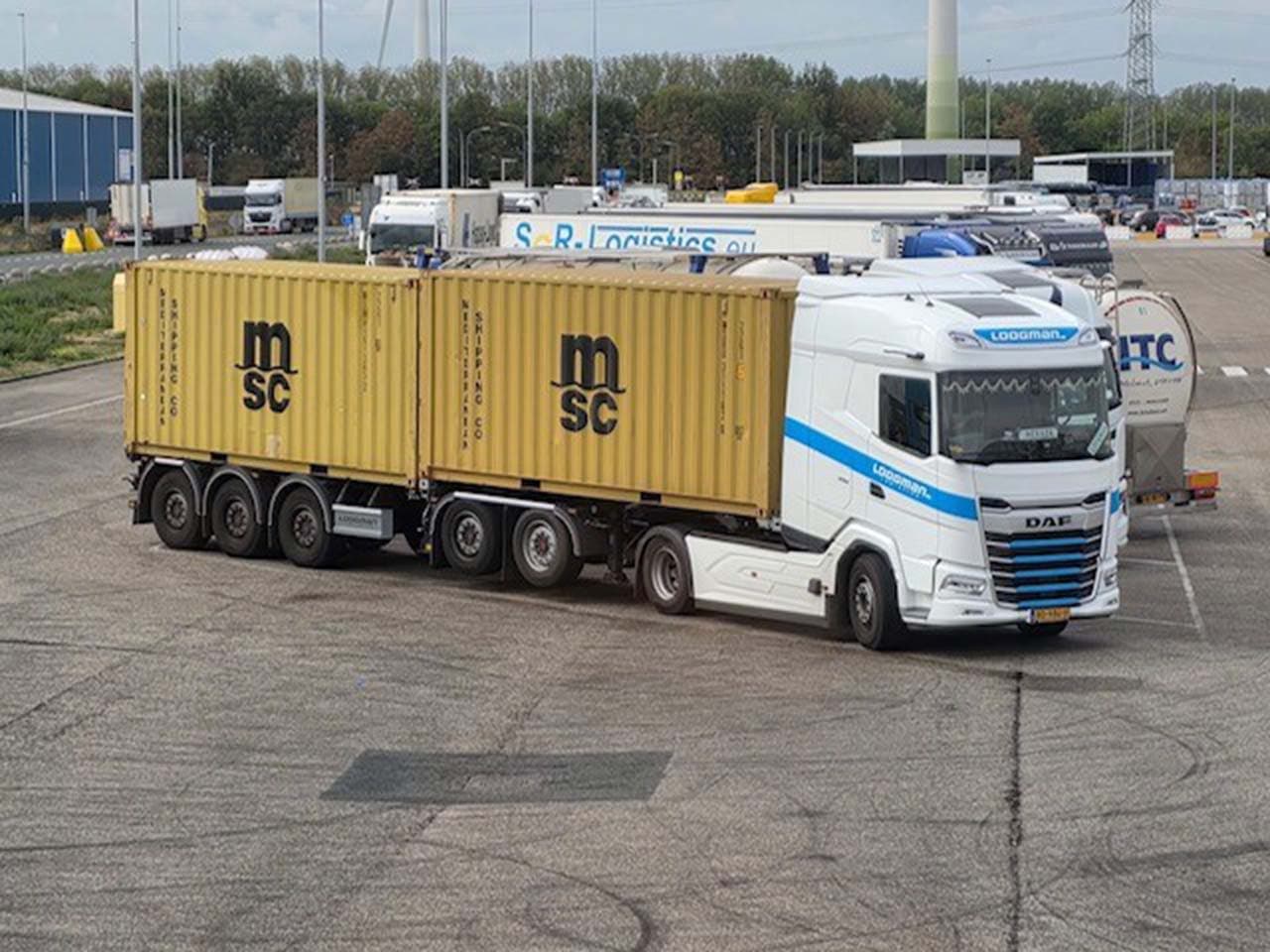
In the current dynamic freight market, securing consistent road capacity requires shippers to evolve into a "shipper of choice." This means going beyond just offering competitive rates and focusing on operational factors that enhance a carrier's efficiency and profitability. Tyson Wimberly of Covenant, speaking at the Univar Carrier Kickoff, emphasized that carriers seek long-term partners who provide strong visibility into their operations, maintain clear communication, and demonstrate operational alignment.
For freight forwarders and operations managers, this trend means that simply tendering freight may not be enough to guarantee service, especially during peak seasons or market tightening. Forwarders must work closely with their shipper clients to ensure they meet these carrier expectations. This includes providing accurate load information, minimizing delays at pickup and delivery, and offering flexible scheduling when possible. By presenting themselves as reliable and easy to work with, forwarders can better secure capacity from their carrier networks, potentially leading to more stable rates and improved service levels for their clients.
To differentiate themselves, shippers should focus on strategies that improve operational efficiency for carriers. This includes leveraging technology for better load visibility, streamlining communication processes, and ensuring quick turnaround times at facilities. Those who fail to adapt risk being deprioritized by carriers, leading to potential capacity shortages and higher costs.