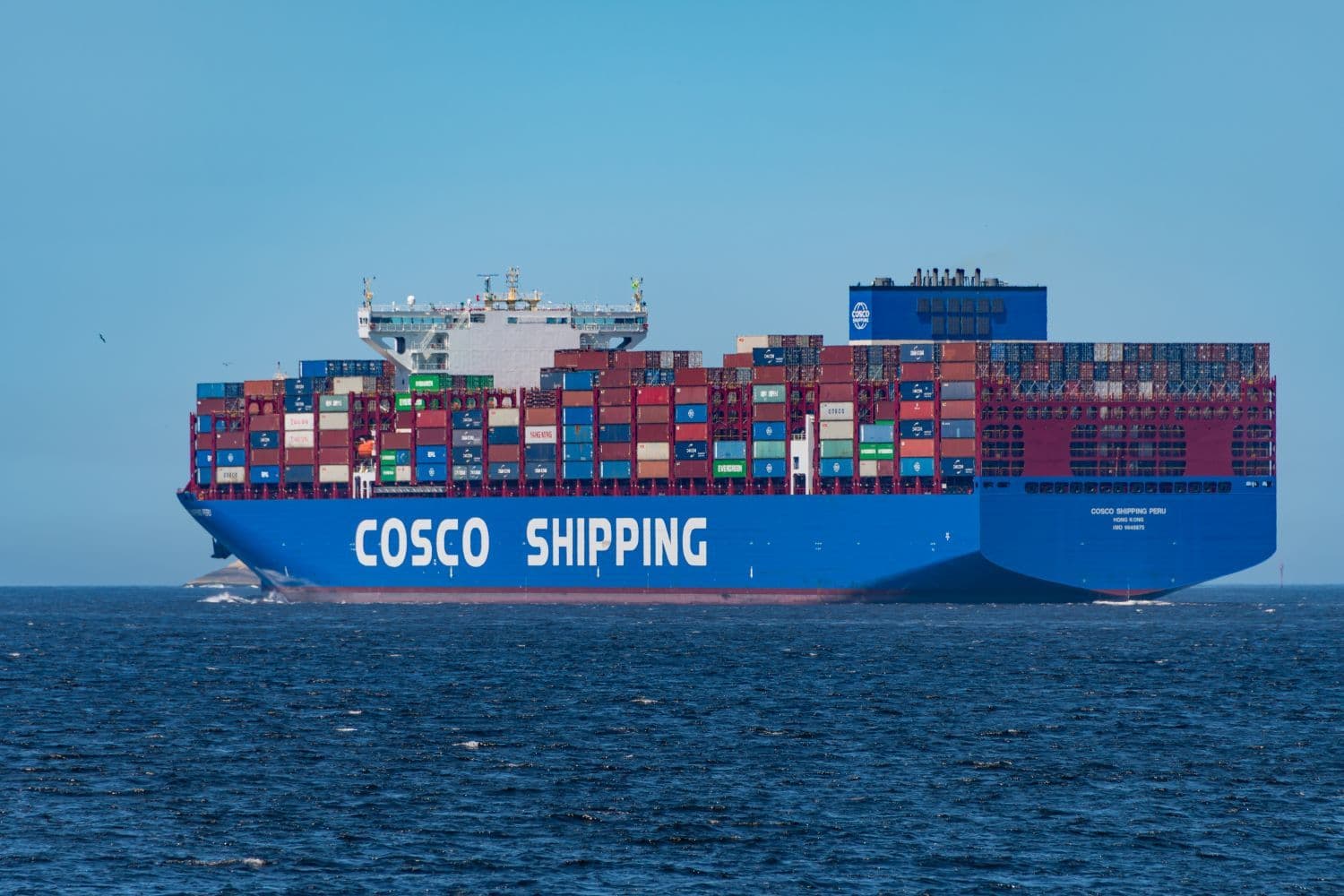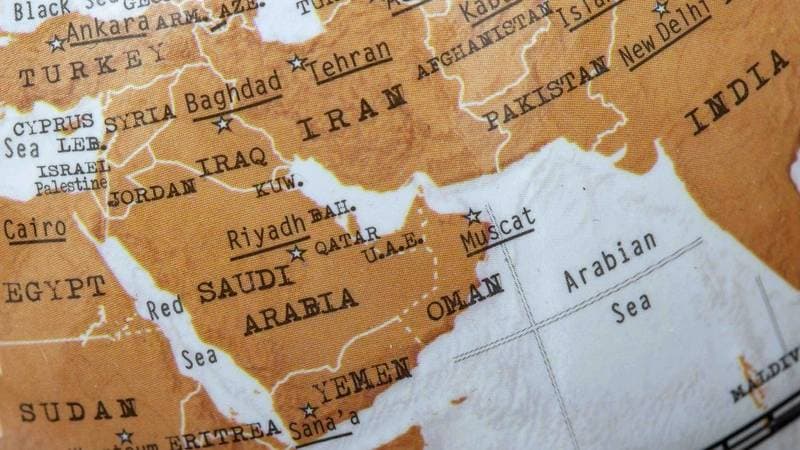
A tanker, reportedly operating within the 'shadow fleet' and subject to international sanctions, is currently leaking crude oil off the coast of Oman. Analysis of recent satellite imagery and assessments by shipping specialists indicate that the oil spill has expanded significantly over the past few days. This development is generating increasing concern regarding potential environmental damage to the sensitive coastal ecosystems in the region.
This incident underscores the inherent risks associated with the shadow fleet, which often operates outside conventional regulatory oversight and insurance frameworks. Such vessels may not adhere to standard maintenance protocols or environmental safeguards, increasing the likelihood of operational failures and pollution incidents.
For freight forwarders and shippers, while this specific incident directly impacts crude oil transport, it indirectly highlights broader risks within the maritime sector. The existence and operation of a shadow fleet can contribute to overall instability, potentially affecting insurance premiums for all vessels transiting high-risk areas, and raising questions about the enforceability of maritime law. Increased scrutiny on vessel ownership, flag states, and operational integrity could lead to more stringent vetting processes for all shipping activities, impacting vessel availability and compliance costs.
Authorities and environmental groups are expected to monitor the spill's trajectory and assess its impact, potentially leading to calls for enhanced international cooperation to address the environmental and safety hazards posed by sanctioned vessels.